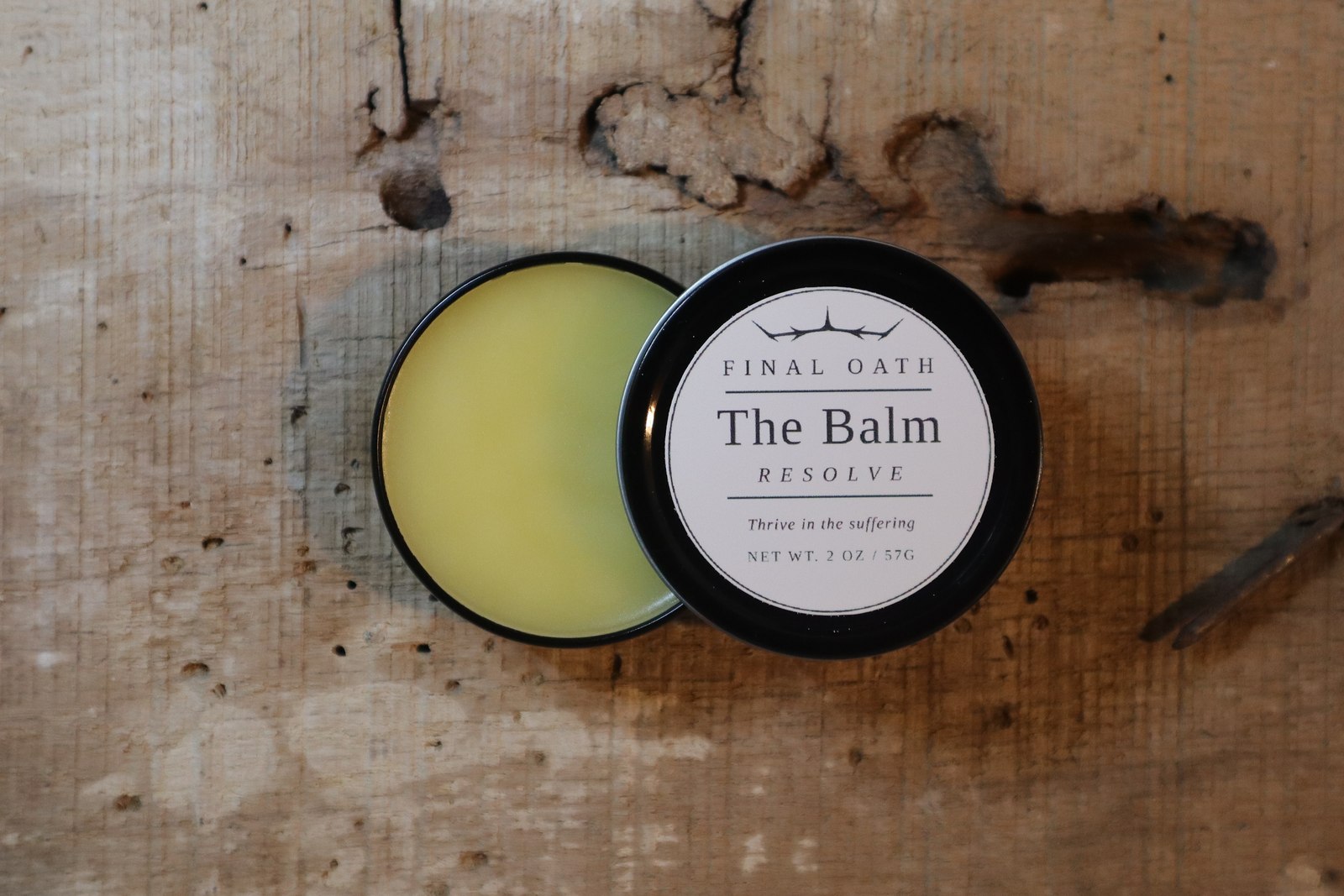
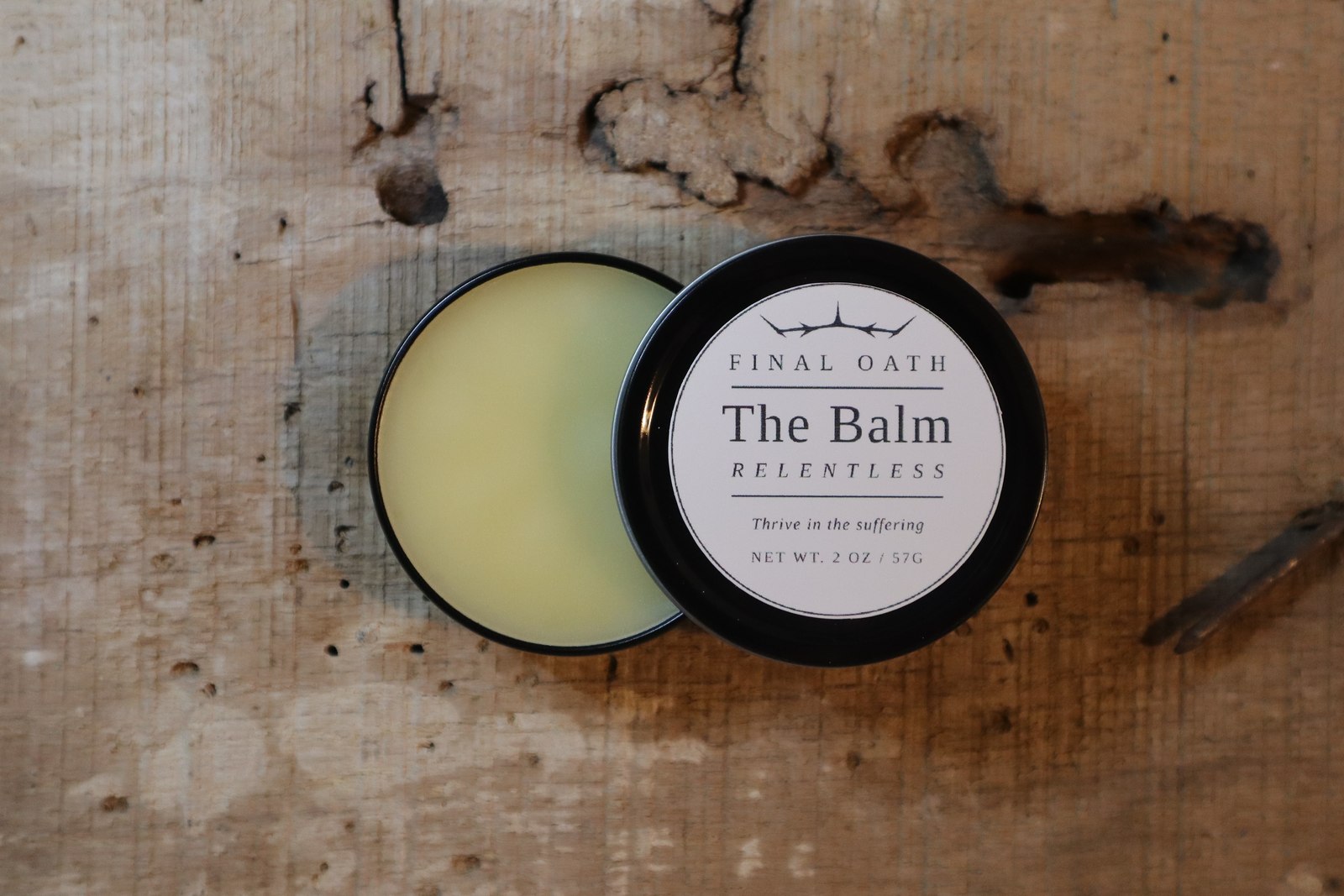
Sawdust, concrete, treated lumber, cold framing mornings, and washing up with whatever is on the job. Construction hands go from rough to split somewhere around Thanksgiving and stay that way until spring.
Why building work dries hands out
- Sawdust and drywall dust are desiccants. They pull moisture out of whatever they sit on all day, including you.
- Concrete and mortar are alkaline. Wet cement is hard on skin and prolonged contact deserves gloves and a rinse, not toughing out.
- Abrasion. Lumber, tool handles, and fasteners wear the surface down mechanically.
- Cold, dry air on exposed hands for a whole framing season.
- Harsh cleanup. Solvents for adhesive and finish take your skin's fat with the glue.
Callus is not the same as cracked
Thick skin is fine, and on a working hand it is useful. The problem is thick skin that has gone dry, because callus with no flex in it splits at the edges and at the base of the fingers, and those splits are deep and slow.
The aim is not to soften the callus away. It is to keep it pliable enough to bend without tearing.
Why tallow rather than lotion
Tallow is built from largely the same fatty acids your own skin makes, so it absorbs and becomes part of the barrier rather than sitting on top of it. Beeswax holds it in place through a hand wash. Most pump lotion is mostly water, which is why it feels good briefly and does nothing by the next break.
How to use it on a work hand
- Heavy before bed. The application that does the repairing.
- On damp hands after cleanup rather than bone-dry ones.
- Work it into the base of the fingers and the callus edges, where splits start.
- Ten minutes before gloves, or you just grease the liner.
Worth doing besides the balm
- Gloves for the wet and chemical jobs, even when it slows you down.
- Rinse cement off promptly rather than at lunch.
- Warm water, not hot, at cleanup.
- Barrier cream before the filthy jobs so cleanup is gentler.
Unscented, if you would rather
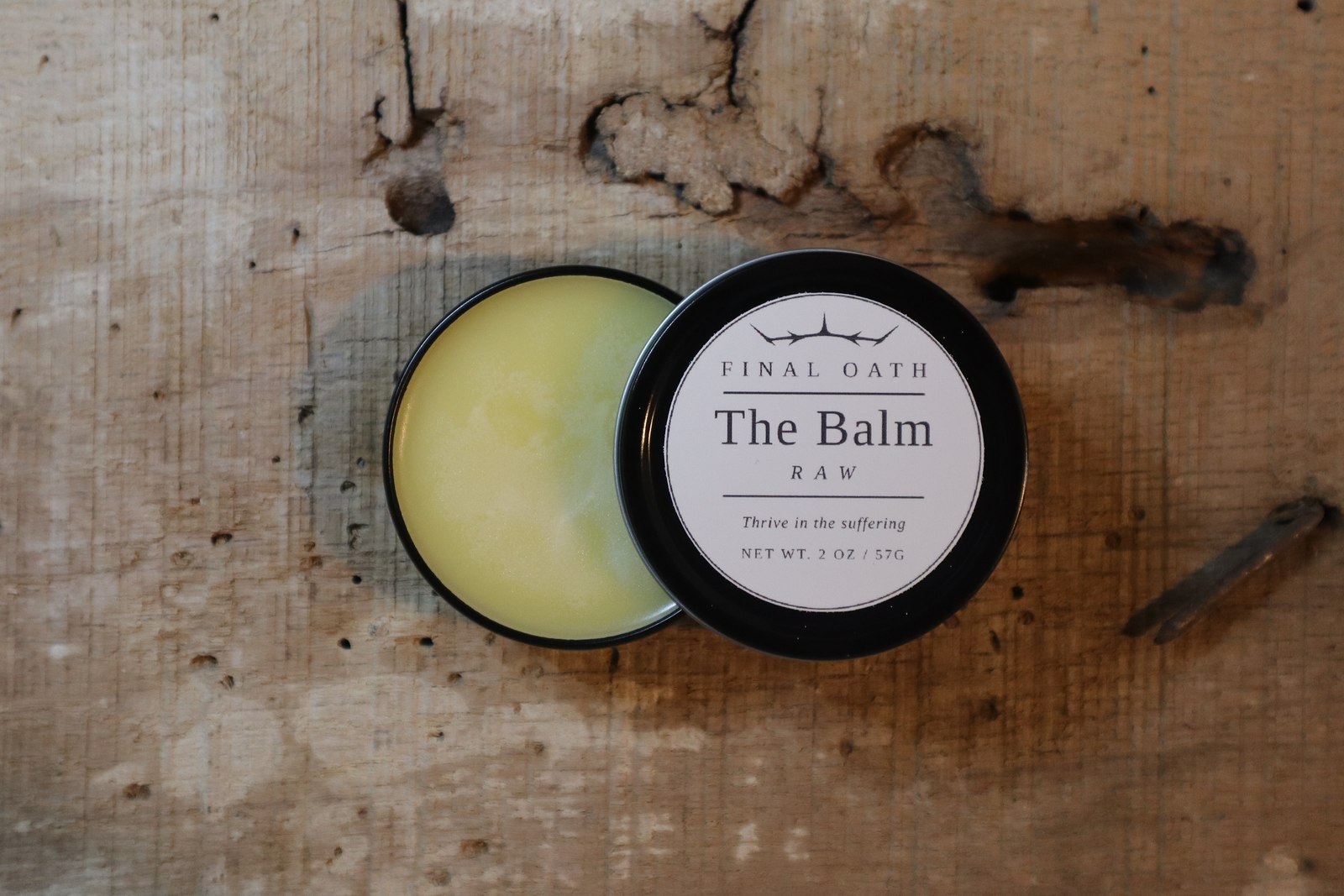
Plenty of people do not want a fragrance on their hands at work. Raw is the same seven-ingredient base with none in it.
Why a tin
A screw-top tin lives in a bag, a drawer, or a door pocket without leaking, which a tube will not. A 2oz tin lasts most people six to ten weeks at nightly use.
Made by hand in small batches in Wakarusa, Indiana. Seven ingredients, and 5% of every sale goes to FreedomSystem, which connects veterans through authentic camaraderie and meaningful programs.