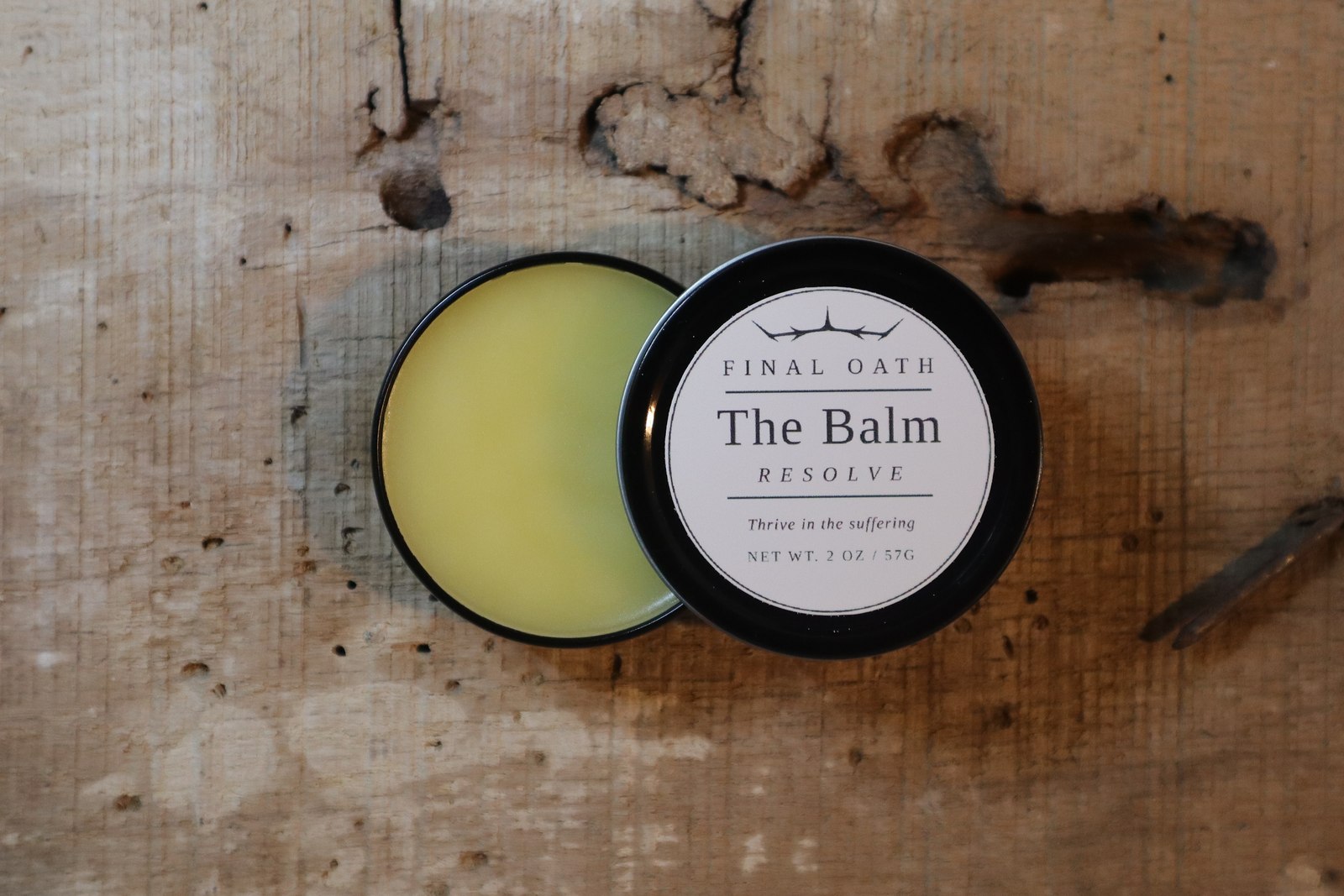
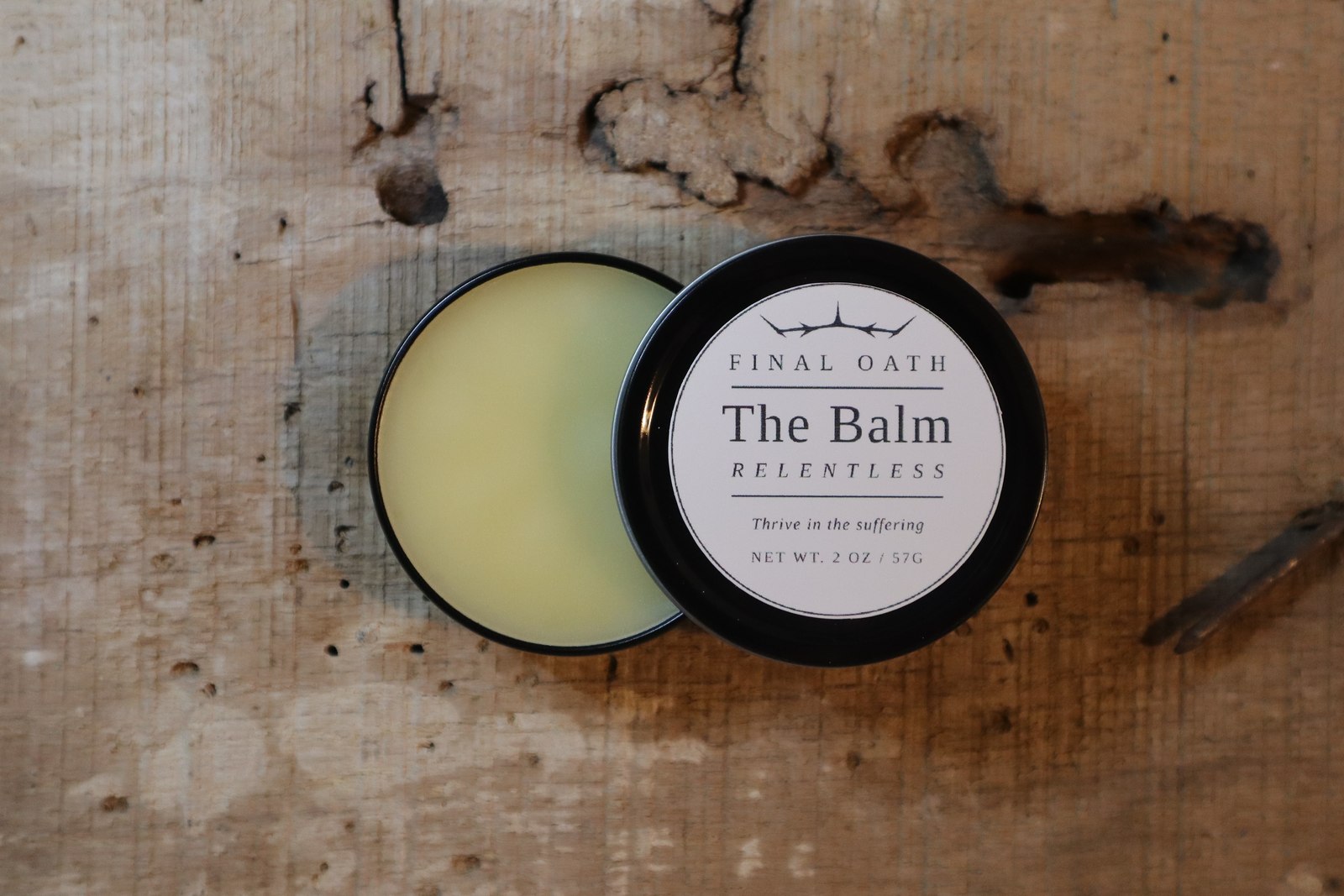
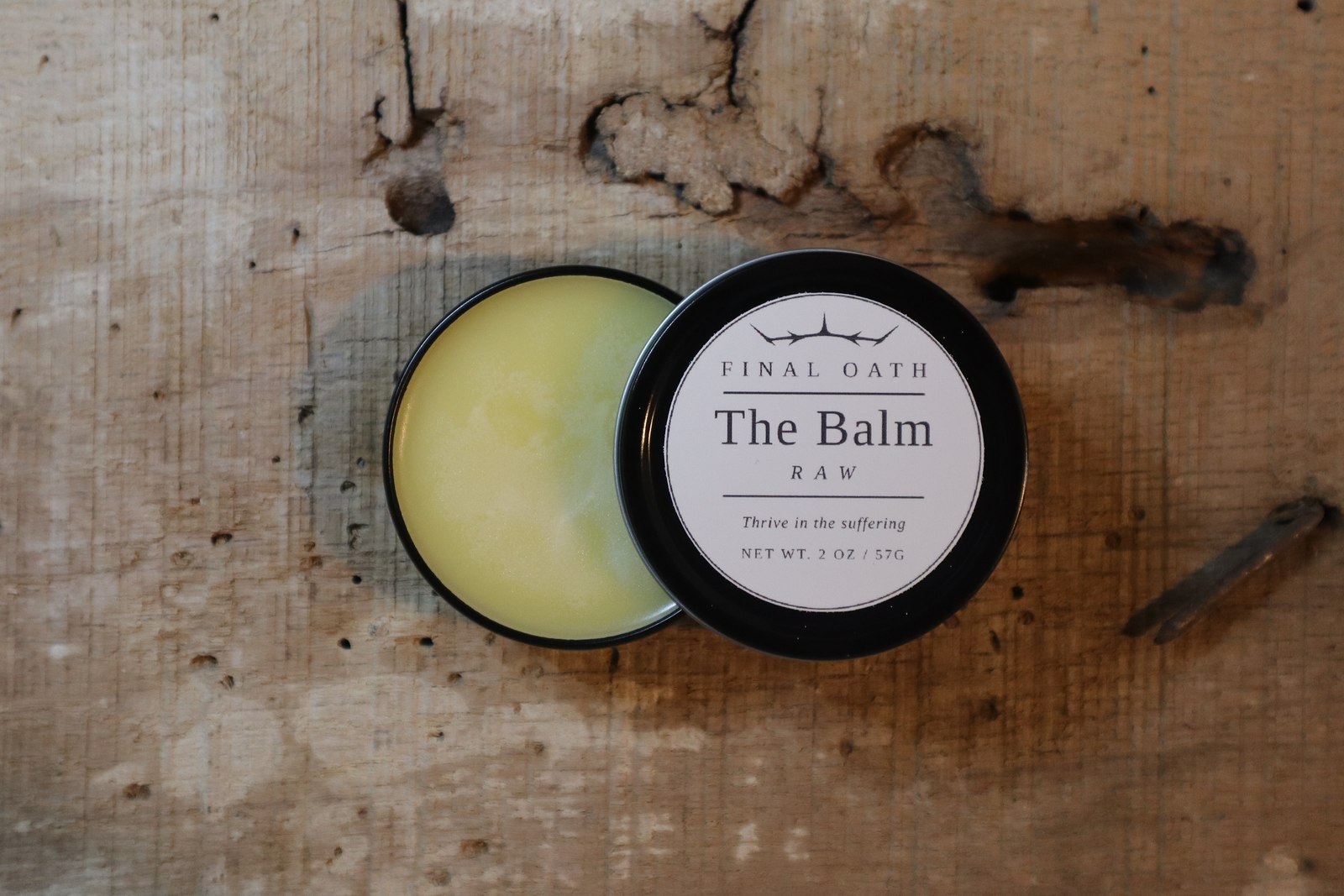
Farm hands take everything at once: cold, wind, hay, twine, fuel, disinfectant, and water. By February the cracks across the knuckles and around the thumbnails open every morning and close overnight, if you are lucky.
Why farm work in particular
- Cold and wind, all winter, outdoors. Dry air pulls moisture straight out of exposed skin.
- Wet then dry, over and over. Washing equipment, watering stock, milking. Repeated wetting and drying is harder on skin than staying wet.
- Disinfectants and teat dip. Built to kill things, and not selective about the fat in your skin.
- Fuel, solvents and lubricants. They dissolve grease, including yours.
- Hay, twine, and rough handles. Mechanical abrasion on skin that has already lost its flex.
What cracked skin needs
Fat it can absorb. Skin's outer layer is cells held together with lipids, and when those are stripped it stops flexing and splits. A water-heavy lotion feels good for twenty minutes and is gone at the next wash.
Beef tallow is composed largely of the same fatty acids your own skin produces, so it absorbs and becomes part of the barrier rather than sitting on top. Beeswax keeps it there through a wash. On hands that get cleaned ten times a day, that difference is the whole point.
There is a certain sense to it too. If you raise cattle, you already know what tallow is, and it is the oldest skin fat there is.
How to use it
- Heavy at night. The one that repairs. Eight uninterrupted hours beats six rushed applications. Cotton gloves over the top if the splits are bad.
- On damp hands after washing, so there is water to hold in.
- Knuckles, finger webs, and around the nails first. Where splits start.
- Not right before gloving up. Give it ten minutes.
On skin that is already split
Balm on an open crack stings and will not close it. Keep it clean, cover it while it closes, and use the balm everywhere else so you stop making new ones. The goal is preventing the next crack, not treating today's. Anything hot, spreading, or refusing to close needs a doctor rather than a tin.
Unscented, if you would rather
Plenty of people do not want a fragrance on their hands at work. Raw is the same seven-ingredient base with none in it.
Why a tin
A screw-top tin lives in a bag, a drawer, or a door pocket without leaking, which a tube will not. A 2oz tin lasts most people six to ten weeks at nightly use.
Made by hand in small batches in Wakarusa, Indiana. Seven ingredients, and 5% of every sale goes to FreedomSystem, which connects veterans through authentic camaraderie and meaningful programs.