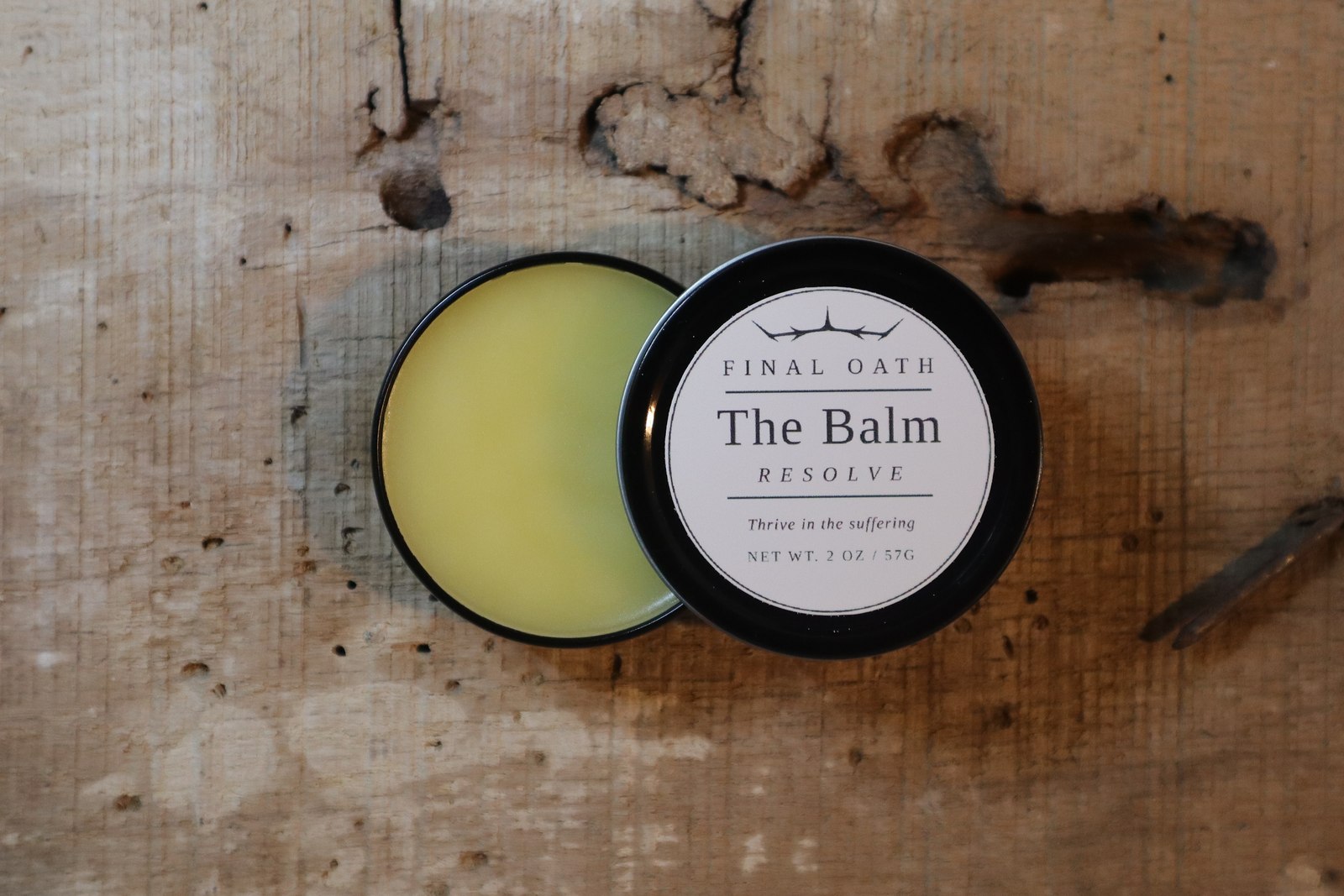
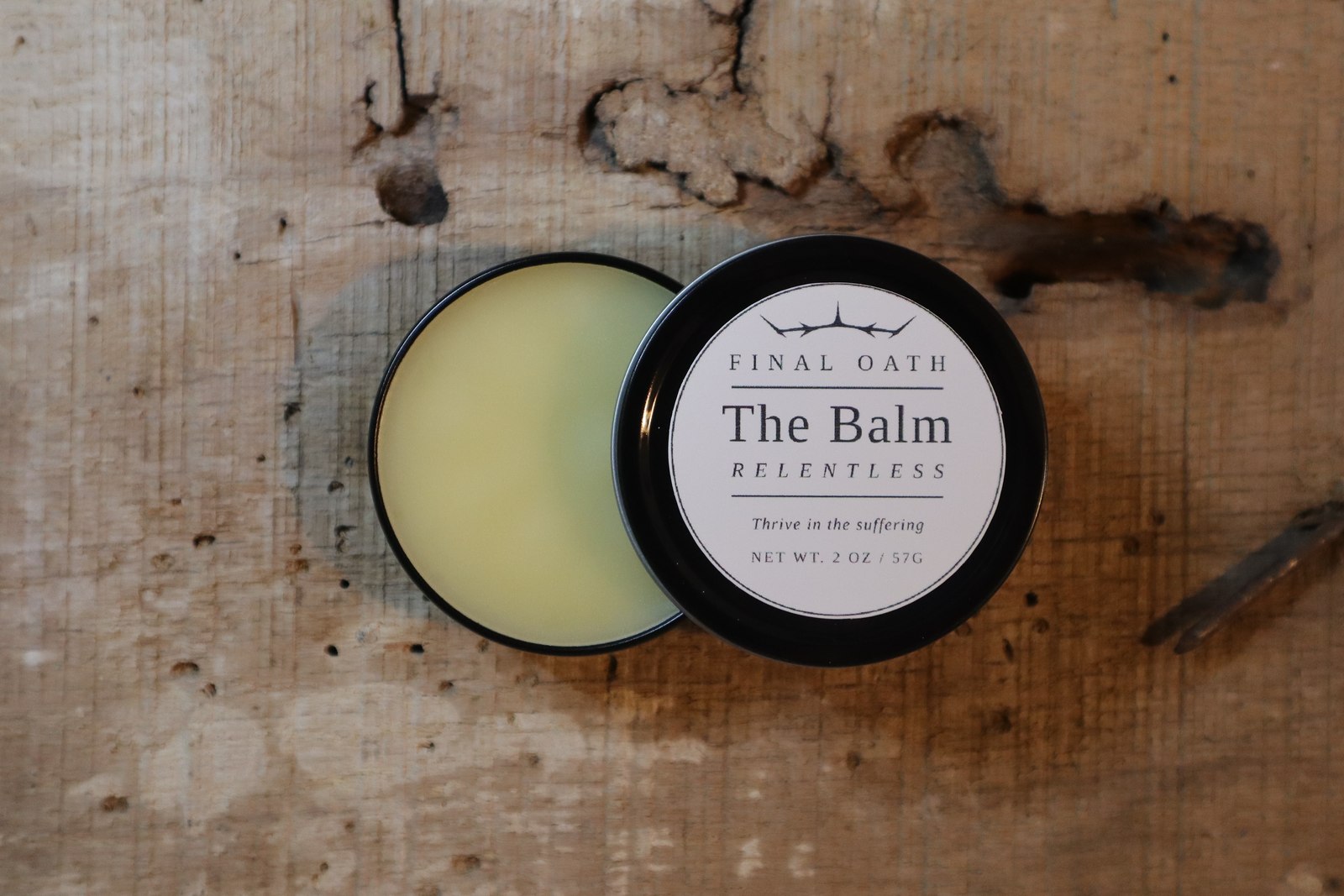
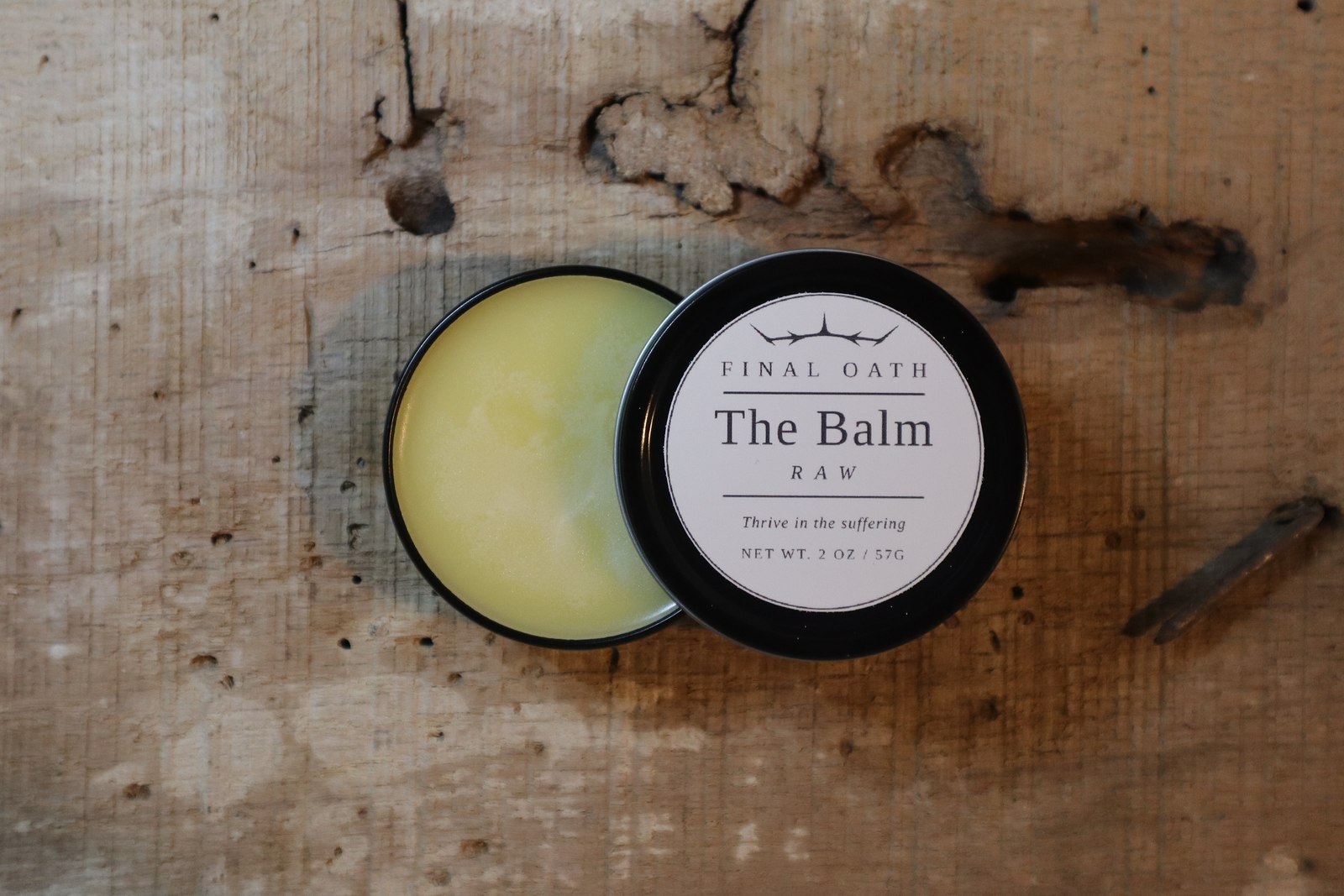
It is not the grease that wrecks a mechanic's hands. It is everything you use to get the grease off. Solvent, degreaser, pumice soap, brake cleaner, and ten washes a day strip the skin's own oil out along with the dirt, and eventually there is nothing left to strip.
What is actually happening
Your skin's outer layer is cells held together with fat. That fat is what keeps water in and keeps the surface flexible. Solvents and heavy detergents dissolve fat, which is exactly why they work on grease, and they cannot tell the difference between the grease on your hands and the fat in your hands.
Do that repeatedly and the surface stops flexing. Then it splits, usually across the knuckles and in the webs between fingers, and every subsequent wash finds the split.
The fix is putting fat back
Not water. Most drugstore lotion is largely water with a little oil, which feels good for twenty minutes and is gone by the next wash. What cracked hands need is actual fat that absorbs and stays.
Tallow is built from largely the same fatty acids your own skin produces, so it absorbs and becomes part of the barrier rather than sitting on top of it. The beeswax keeps it in place through a hand wash.
When to put it on
- Every time you finish washing, while hands are still damp. Damp skin has water in it and the balm helps hold it there.
- Heavily before bed. This is the one that does the real repair. Eight hours undisturbed beats six quick applications during the day.
- Not right before you glove up. Give it ten minutes.
Things worth changing besides the balm
- Nitrile gloves for the jobs where they are practical. Every job you do gloved is a wash you do not have to do.
- A gentler soap for the times your hands are only mildly dirty. Save the pumice for when you actually need it.
- Warm water instead of hot. Hot water strips faster.
- Barrier cream before a filthy job so the cleanup is less brutal.
Unscented if you would rather
Some people do not want a scent on their hands at work. Raw is the same seven-ingredient base with no fragrance.
Why a tin
A screw-top tin lives in a toolbox drawer or a door pocket without leaking, which a tube does not. Six to ten weeks per 2oz tin at nightly use.
Made by hand in small batches in Wakarusa, Indiana. Seven ingredients, and 5% of every sale goes to FreedomSystem, which connects veterans through authentic camaraderie and meaningful programs.