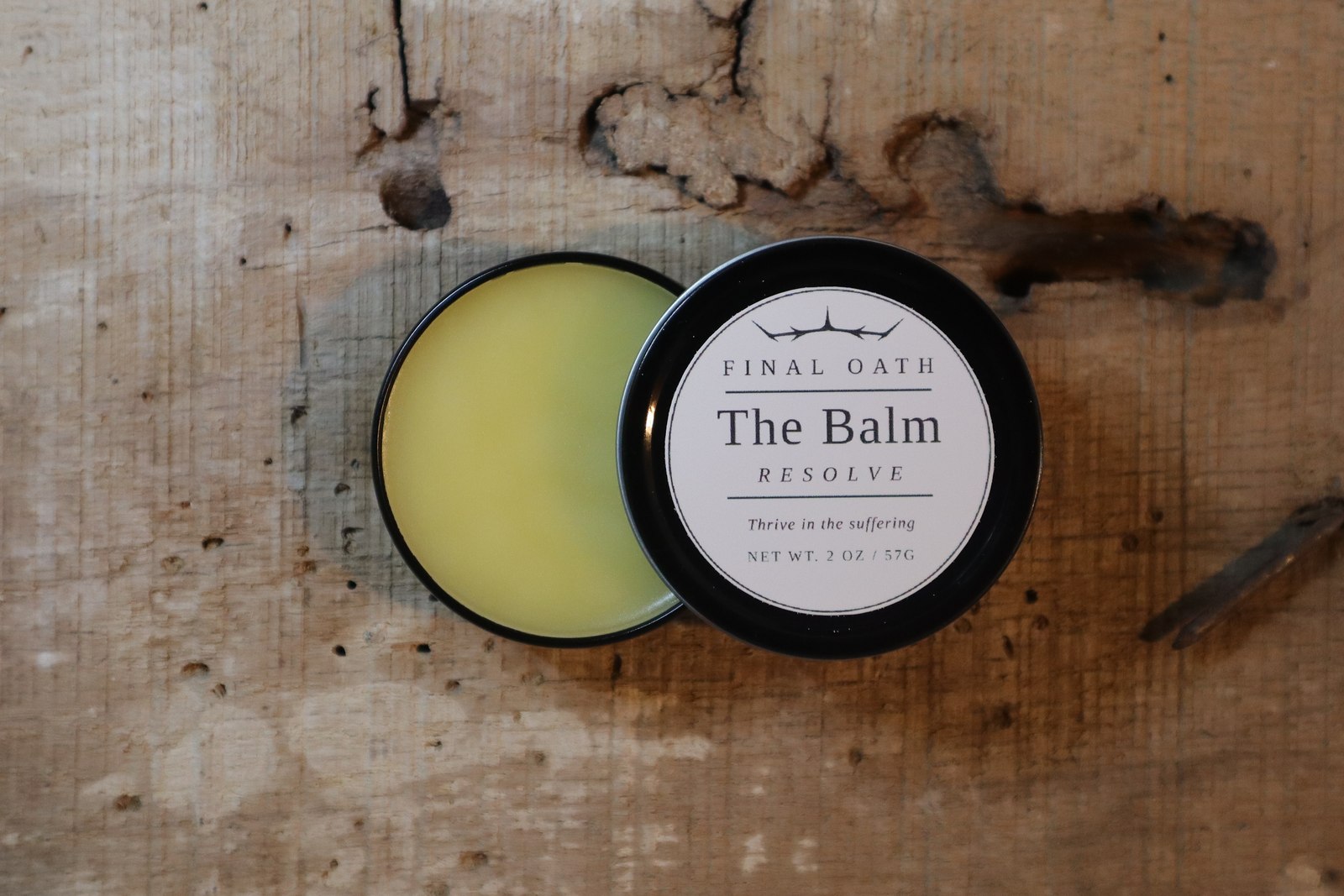
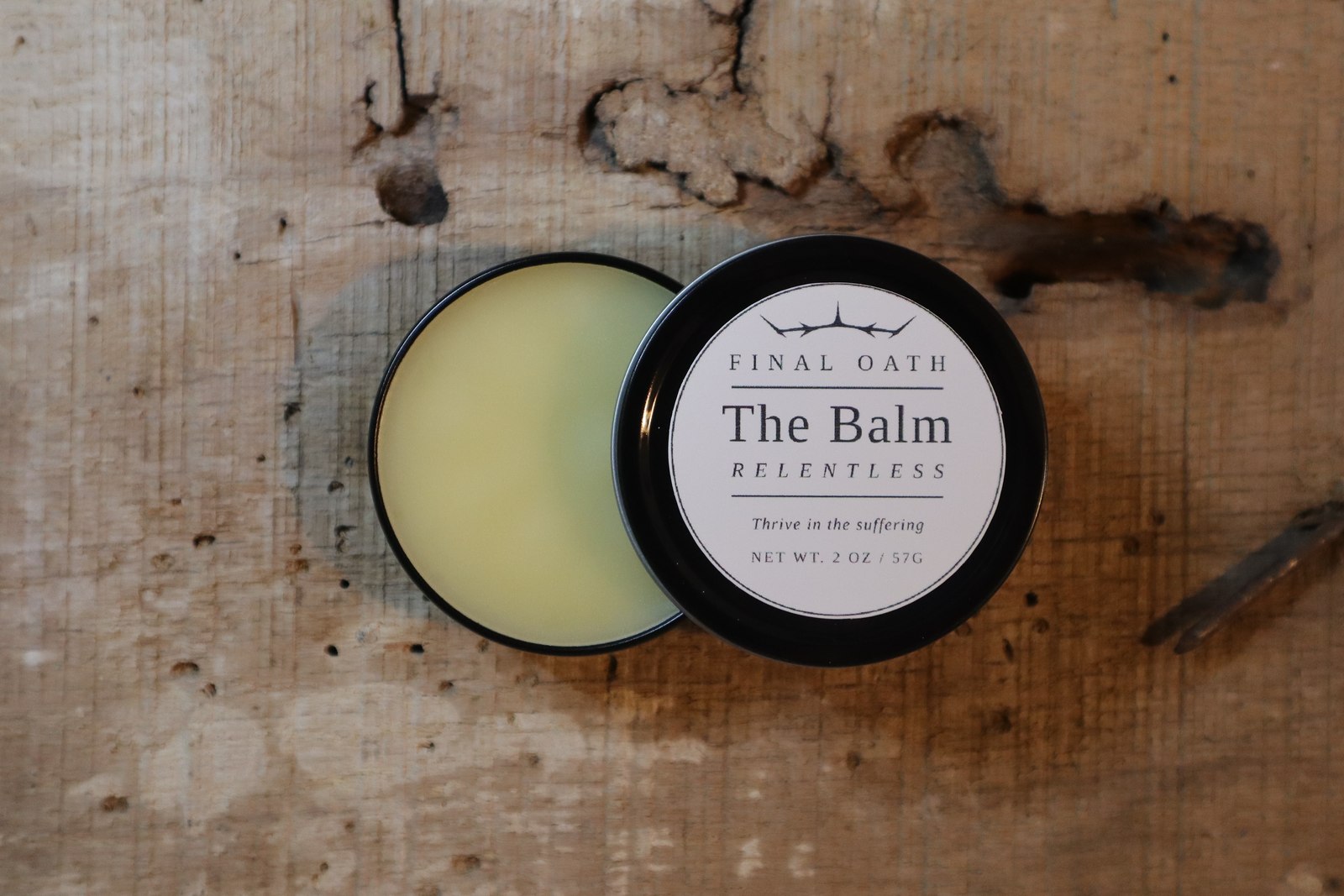
Wet, then dry, then solvent, then wet again, all day. Plumbing is one of the few trades that combines constant water exposure with real chemical exposure, and the combination is harder on skin than either alone.
Why wet work plus solvent is the worst pairing
It is the cycling that does the damage. Every time skin soaks and dries it swells and shrinks, and each pass takes a little of the fat that holds the outer layer together. Then PVC primer and cement, flux, and pipe dope dissolve what is left, because dissolving oil is precisely what solvents do.
Add a crawlspace in winter and a hand wash after every service call, and the backs of the hands and the webs between the fingers go first.
What helps
- Gloves for the solvent work. The single biggest reduction in exposure available, even when it slows a joint down.
- Dry your hands properly rather than letting them air dry. Evaporation off the skin is part of what dries it.
- Heavy balm at night, worked into the finger webs.
- Barrier cream before a filthy job so the cleanup afterward can be gentler.
Why tallow rather than a lotion
Beef tallow is built from largely the same fatty acids your own skin produces, so it absorbs and becomes part of the barrier instead of sitting on top of it as a film. Beeswax keeps it there through a hand wash. Most pump lotion is mostly water, which is why it feels good for twenty minutes and is gone by the next break.
On skin that is already split
Balm on an open crack stings and will not close it. Keep it clean, cover it while it closes, and use the balm on the skin around it and everywhere else so you stop making new ones. The goal is preventing the next crack, not treating today's. Anything hot, spreading, or refusing to close needs a doctor rather than a tin.
How to use it on a working hand
- Heavy before bed. The application that actually repairs. Eight uninterrupted hours beats six rushed ones. Cotton gloves over the top if the splits are bad.
- On damp hands after washing, so there is water in the skin to hold onto.
- Knuckles and finger webs first. That is where splits start.
- Not right before gloves. Give it ten minutes to absorb.
Unscented, if you would rather
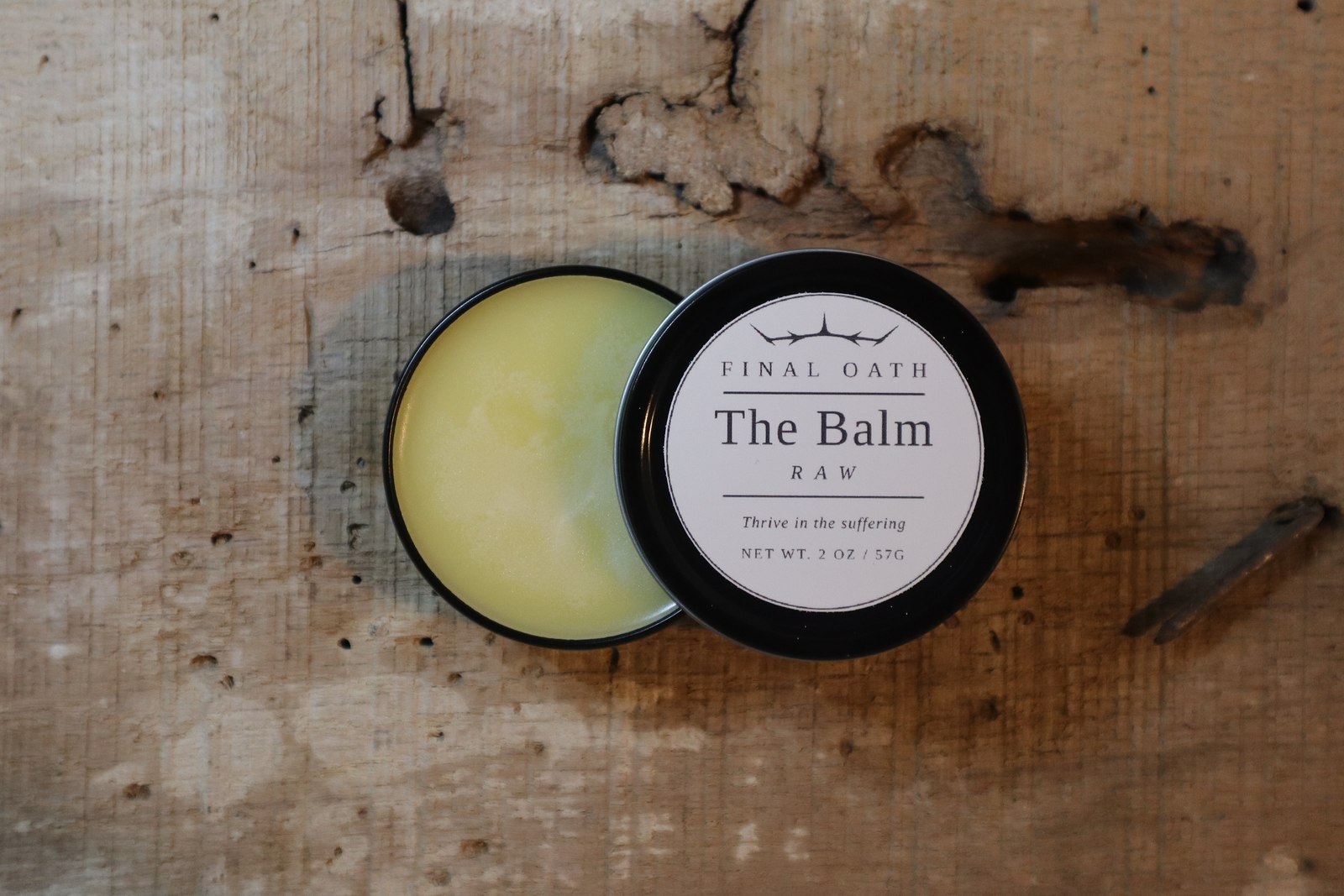
Plenty of people do not want a fragrance on their hands at work. Raw is the same seven-ingredient base with none in it.
Why a tin
A screw-top tin lives in a toolbox, a bag or a door pocket without leaking, which a tube will not. A 2oz tin lasts most people six to ten weeks at nightly use.
Made by hand in small batches in Wakarusa, Indiana. Seven ingredients, and 5% of every sale goes to FreedomSystem, which connects veterans through authentic camaraderie and meaningful programs.