It is not the cold. It is that cold air holds almost no water, and heated indoor air holds even less, and you spend all day moving between the two. Your skin is losing moisture to the air in both places.
The actual mechanism
Warm air can hold far more water vapour than cold air. At 20 degrees outside there is very little moisture in the air to begin with. Then that air comes inside, gets heated to 70, and its capacity to hold water goes up while the amount of actual water in it stays the same. The result is indoor humidity in the teens, which is desert dry, and it pulls moisture out of everything in the house including you.
Add hotter showers, more hand washing through cold season, and wind on exposed skin, and January is simply harder than July for reasons that have nothing to do with your skin changing.
What actually helps, in order of effect
- Turn the shower down and make it shorter. The least popular advice and the most effective single change. Hot water strips lipid faster than anything else you do.
- Apply something on damp skin, within a minute or two of getting out. There is water in the skin at that moment and the job is holding it there.
- Use a fat, not a lotion. Water-based lotion in a dry house evaporates and you are back where you started. See tallow vs. lotion.
- A humidifier in the bedroom. Eight hours of not being dried out is worth more than most products.
- Cover exposed skin outside. Wind removes the surface layer of moisture mechanically. See windburn.
- Wash hands with warm water and moisturise after, every time, not at the end of the day.
Why a wax-containing balm suits winter specifically
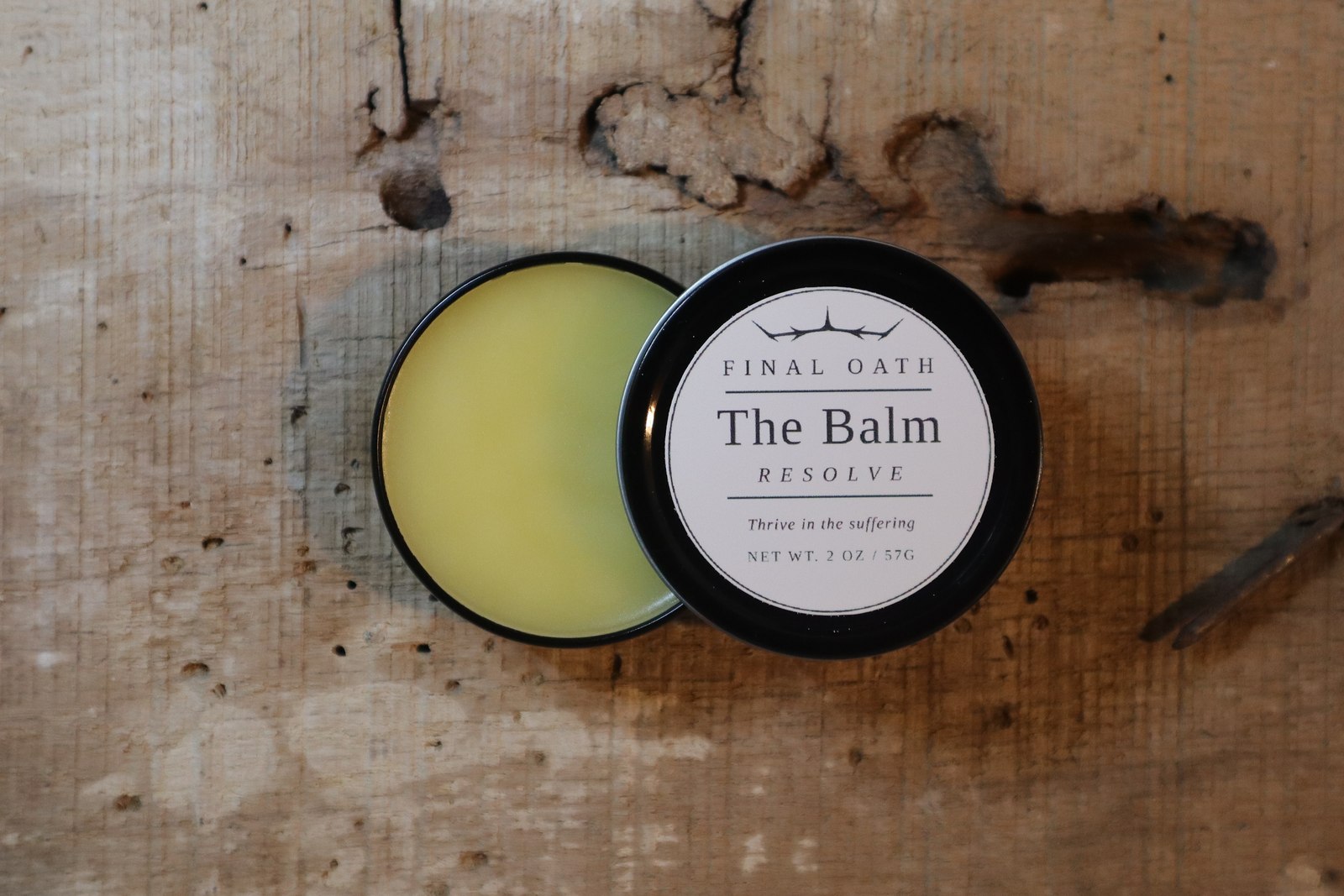
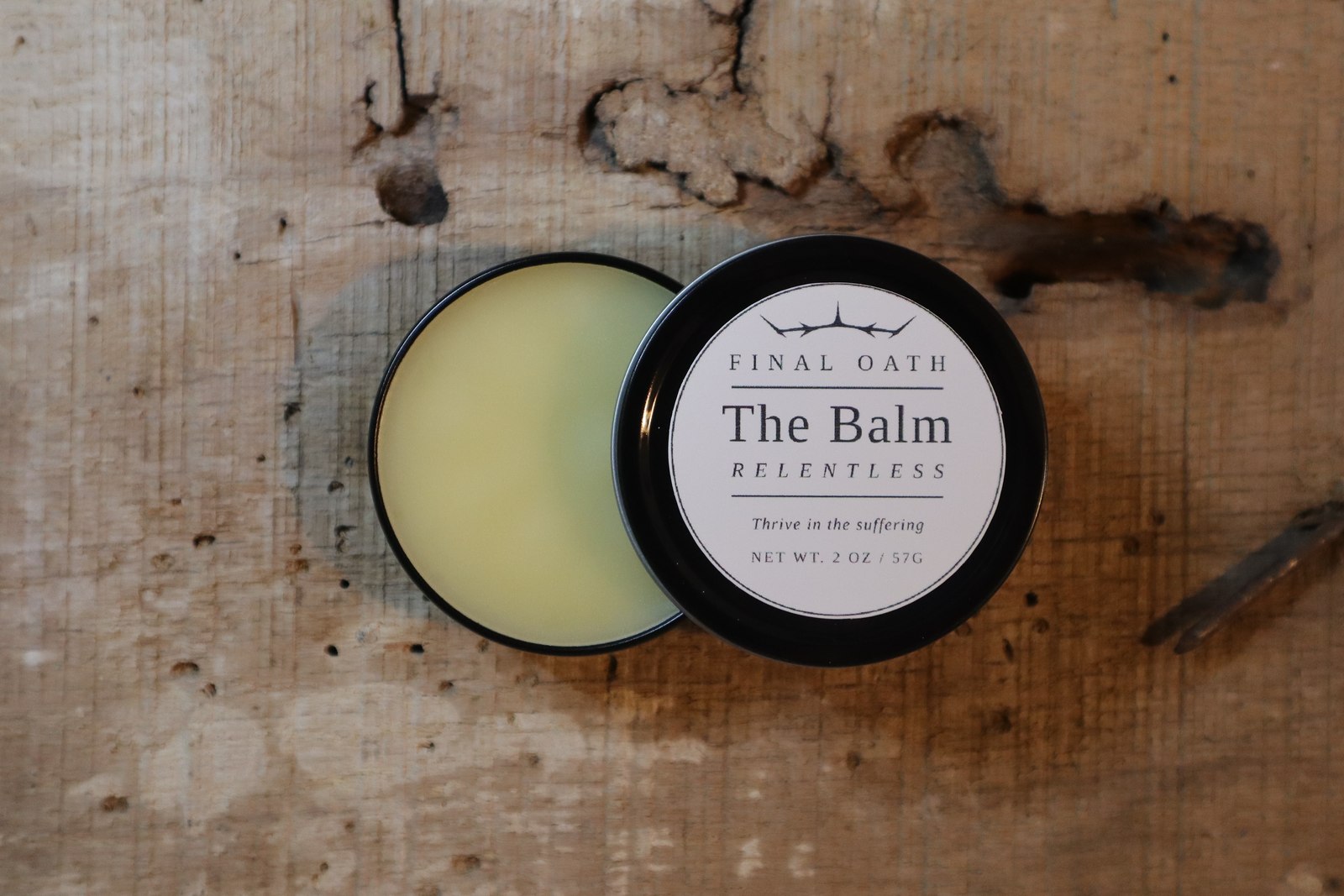
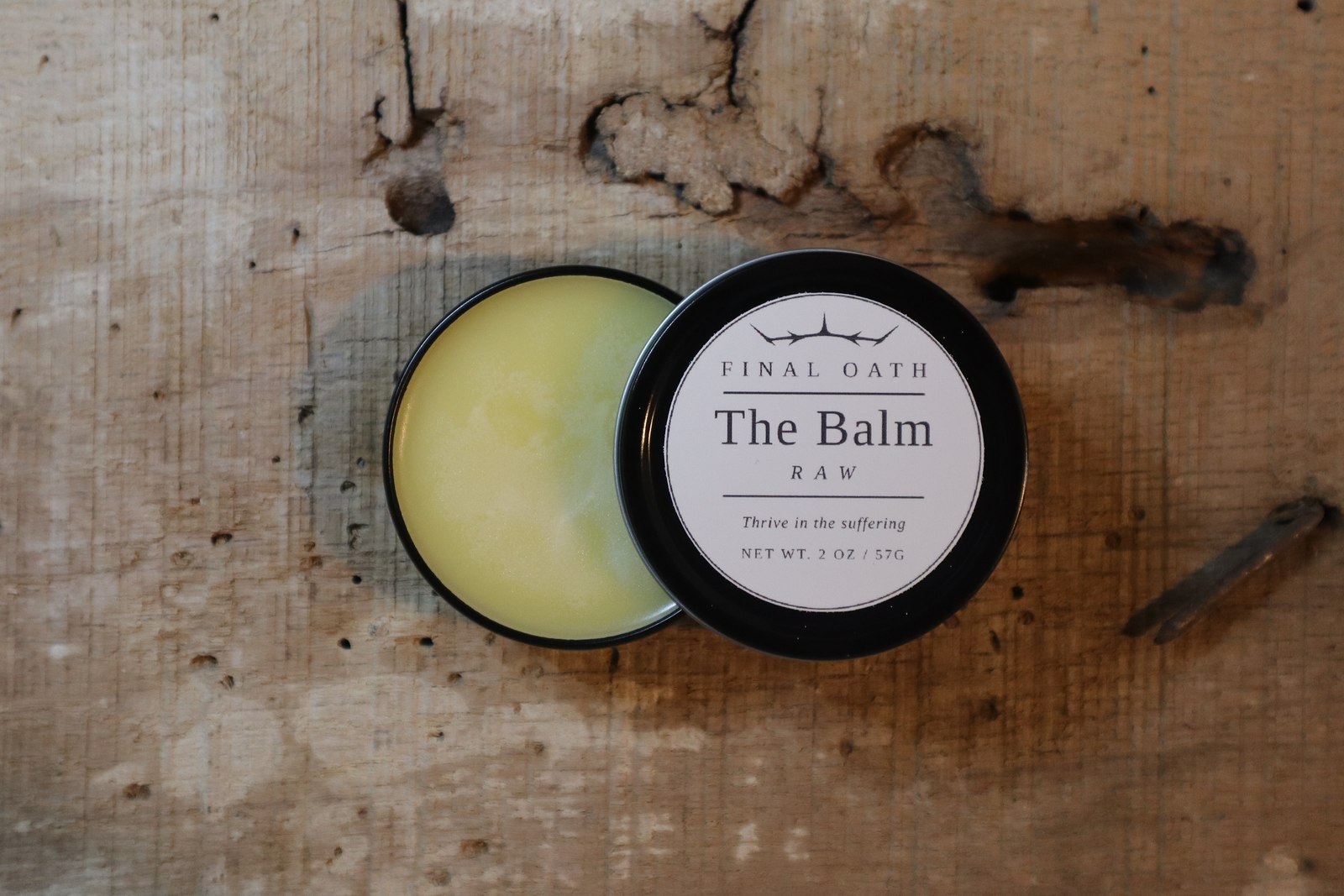
Two things have to happen: the skin needs fat it can absorb and rebuild with, and it needs something slowing the loss on the way back out. Tallow does the first, because it is close in composition to what your skin makes. Beeswax does the second by staying nearer the surface. A thin oil does the first and very little of the second, which is why oil alone often is not enough in January.
Where it shows up first
Hands and knuckles, the skin under a beard, shins, and the backs of the arms. Then heels and elbows. Those are the places with the fewest oil glands or the most exposure, and they are worth getting ahead of in November rather than fixing in February.
Made by hand in small batches in Wakarusa, Indiana. Seven ingredients, and 5% of every sale goes to FreedomSystem, which connects veterans through authentic camaraderie and meaningful programs.