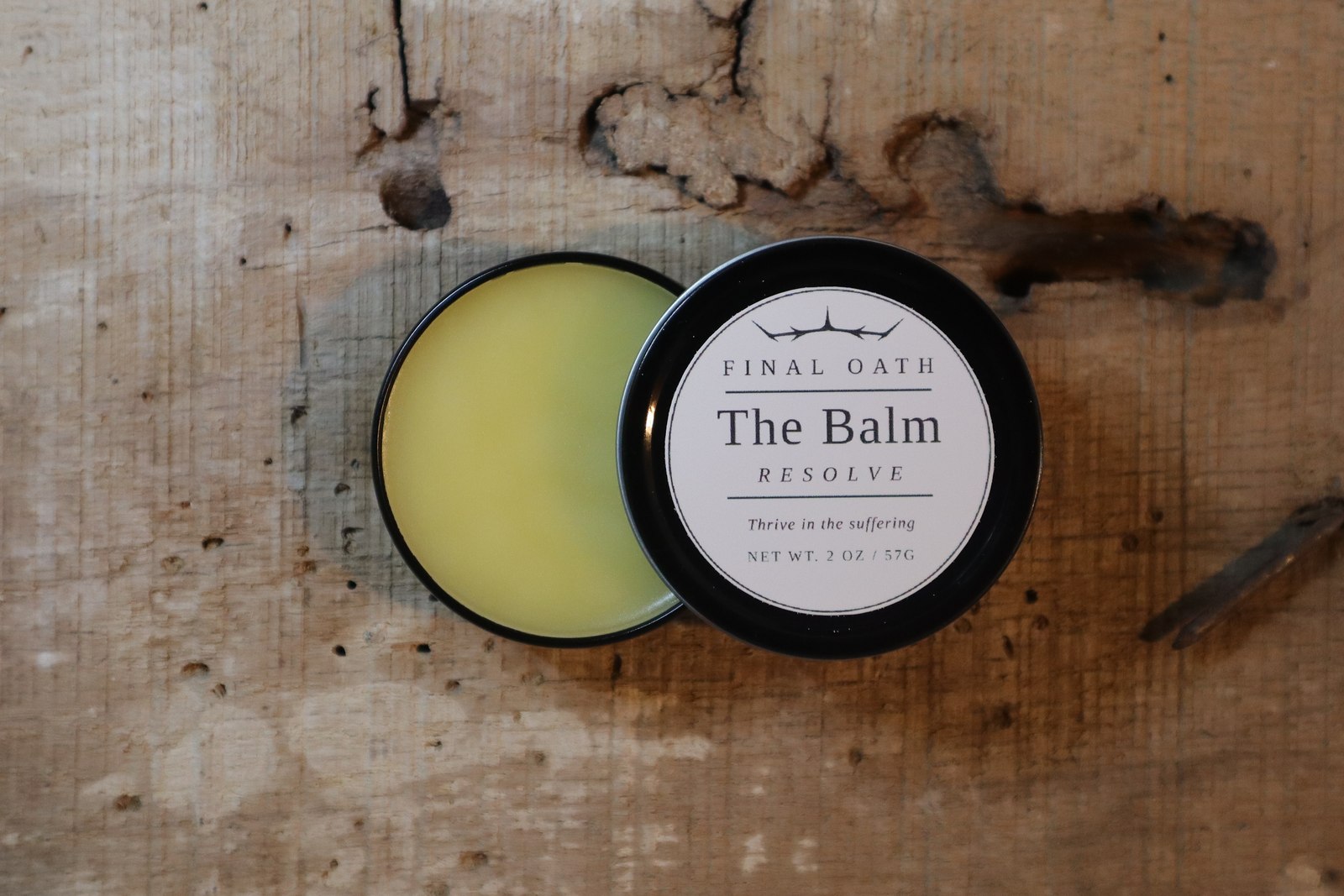
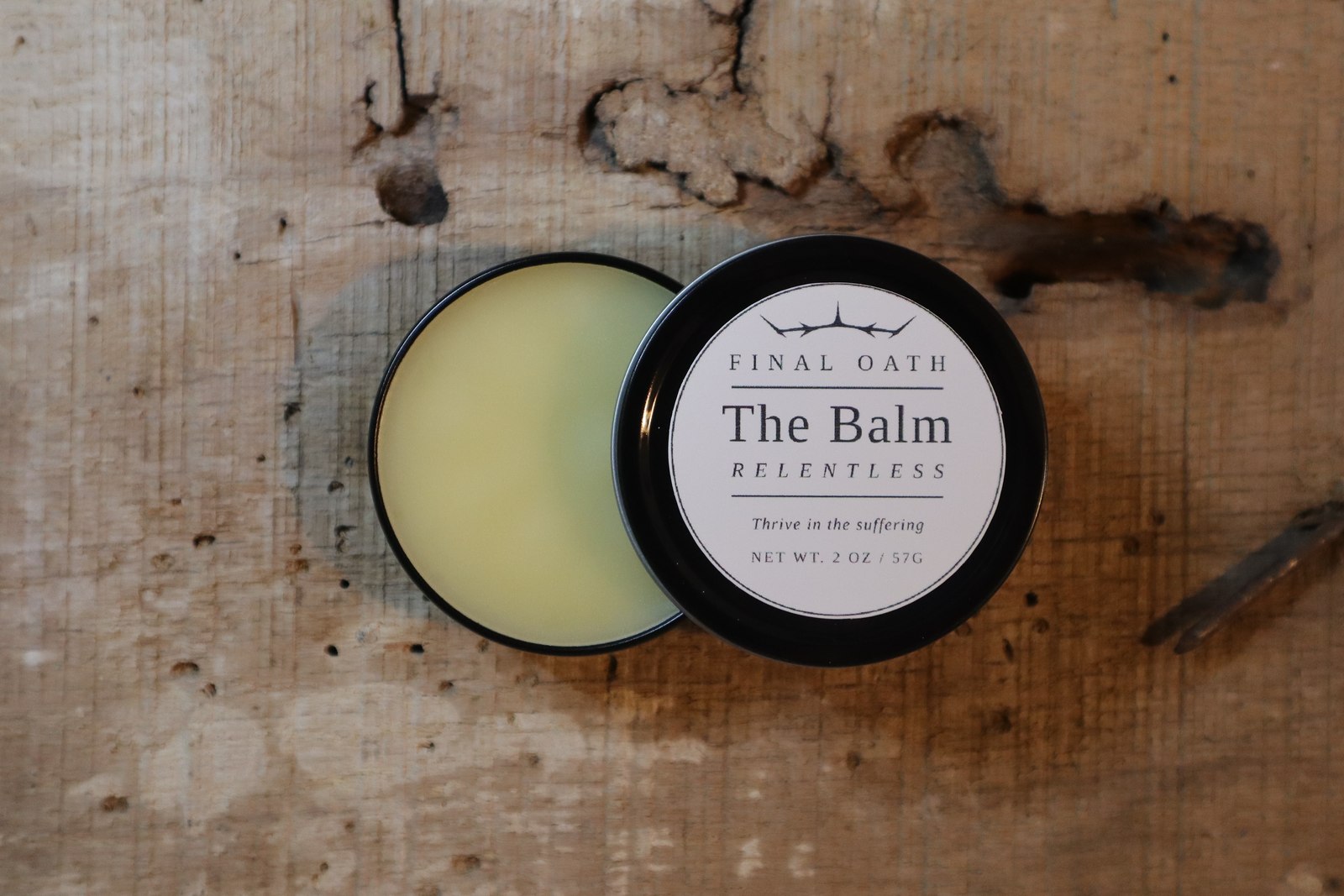
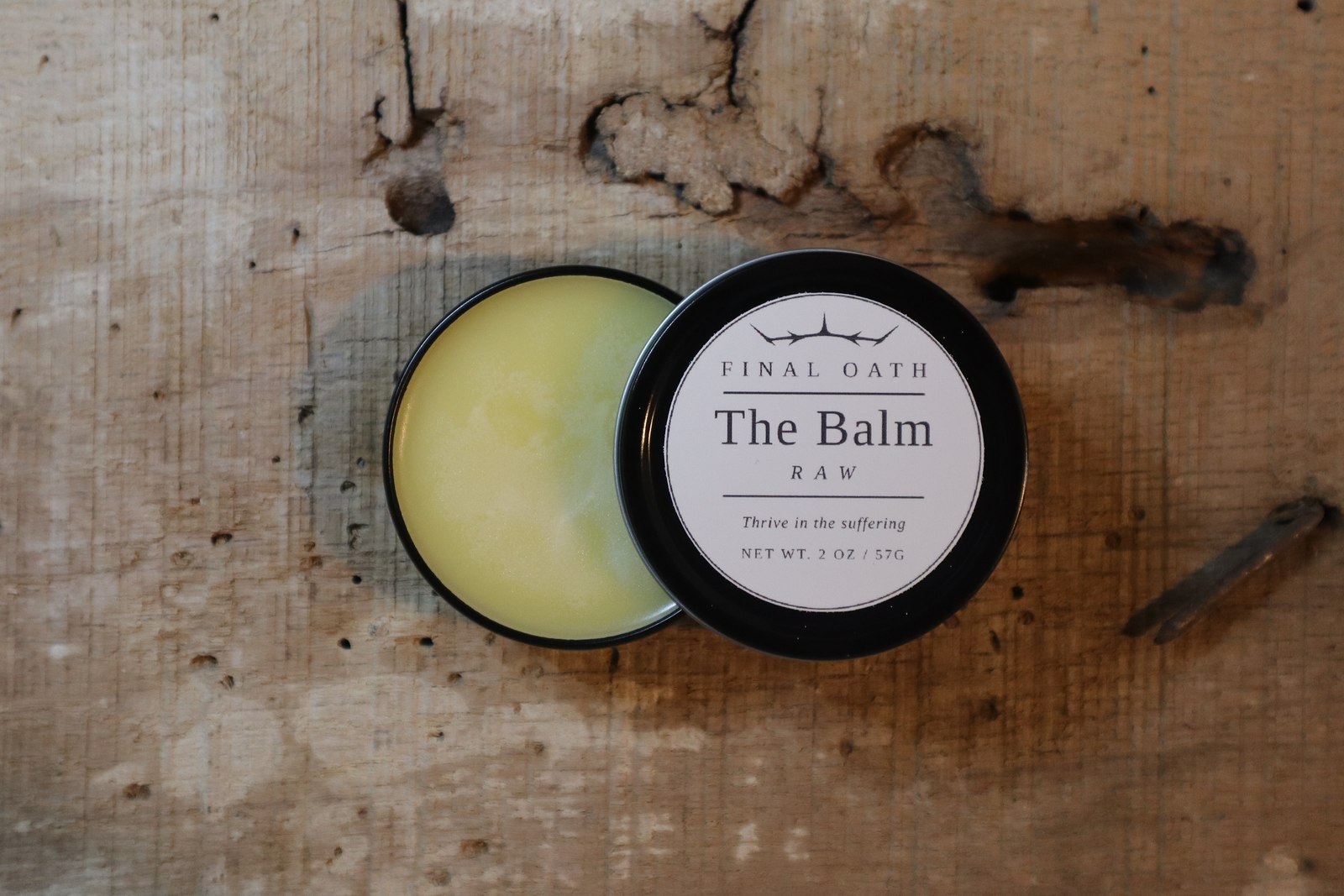
Thirty to eighty hand hygiene events in a twelve hour shift is not optional, and it is more washing and sanitizing than human skin was ever built to absorb. By the end of a stretch of shifts the backs of the hands are tight, the knuckles split, and the alcohol finds every crack.
Why sanitizer and soap do this
Alcohol-based sanitizer works partly by dissolving the outer membranes of what it kills. It cannot be selective, so it also takes the fat out of your skin's outer layer, which is the fat that holds it together and keeps water in.
Soap does the same thing by a different mechanism. Repeat either one enough times in a shift and the barrier has nothing left in it. That is when the tightness turns into splitting, usually across the knuckles and around the nails.
What helps, realistically
You are not going to sanitize less. So the only lever is putting back what gets taken, more aggressively than the average person needs to.
Tallow is composed of largely the same fatty acids your own skin makes, so it absorbs and rebuilds rather than sitting on top. Beeswax slows the next round of moisture loss. That combination survives more hand hygiene events than a water-based lotion, which is mostly gone after one wash.
How to fit it into a shift
- The important one: heavily before bed. Eight uninterrupted hours is worth more than anything you manage at work. Cotton gloves over the top if the splits are bad.
- On breaks, on damp hands rather than dry, so there is water to hold onto.
- Knuckles, finger webs, and around the nails first. That is where it starts.
- Not immediately before a hand hygiene event. Let it absorb first or you are just washing it off.
Fragrance-free matters here
Plenty of workplaces prefer or require it, and irritated skin is a bad candidate for added fragrance anyway. Raw is the same base with no fragrance in it at all. Seven ingredients, nothing else.
What this is not
This is a balm for dry, stripped skin. Occupational dermatitis, contact allergy, spreading redness, weeping skin, or anything that is not closing is a matter for occupational health or your own clinician, and I am not going to pretend a tin of balm is the answer to it.
Cuticles and nails
The skin around the nails takes the same beating and is easy to forget. There is a separate page on that: balm for cuticles and dry nails.
Made by hand in small batches in Wakarusa, Indiana. Seven ingredients, and 5% of every sale goes to FreedomSystem, which connects veterans through authentic camaraderie and meaningful programs.