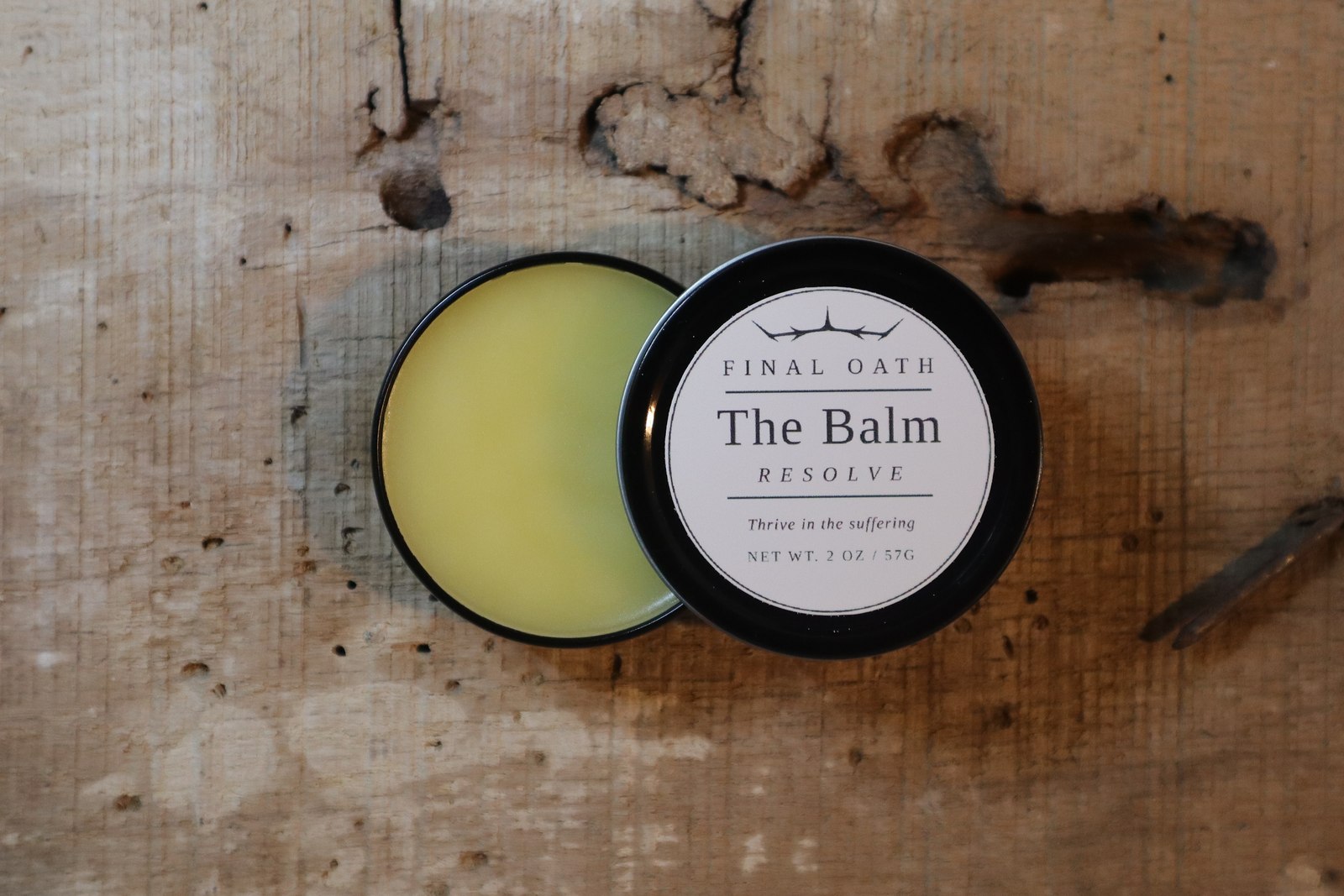
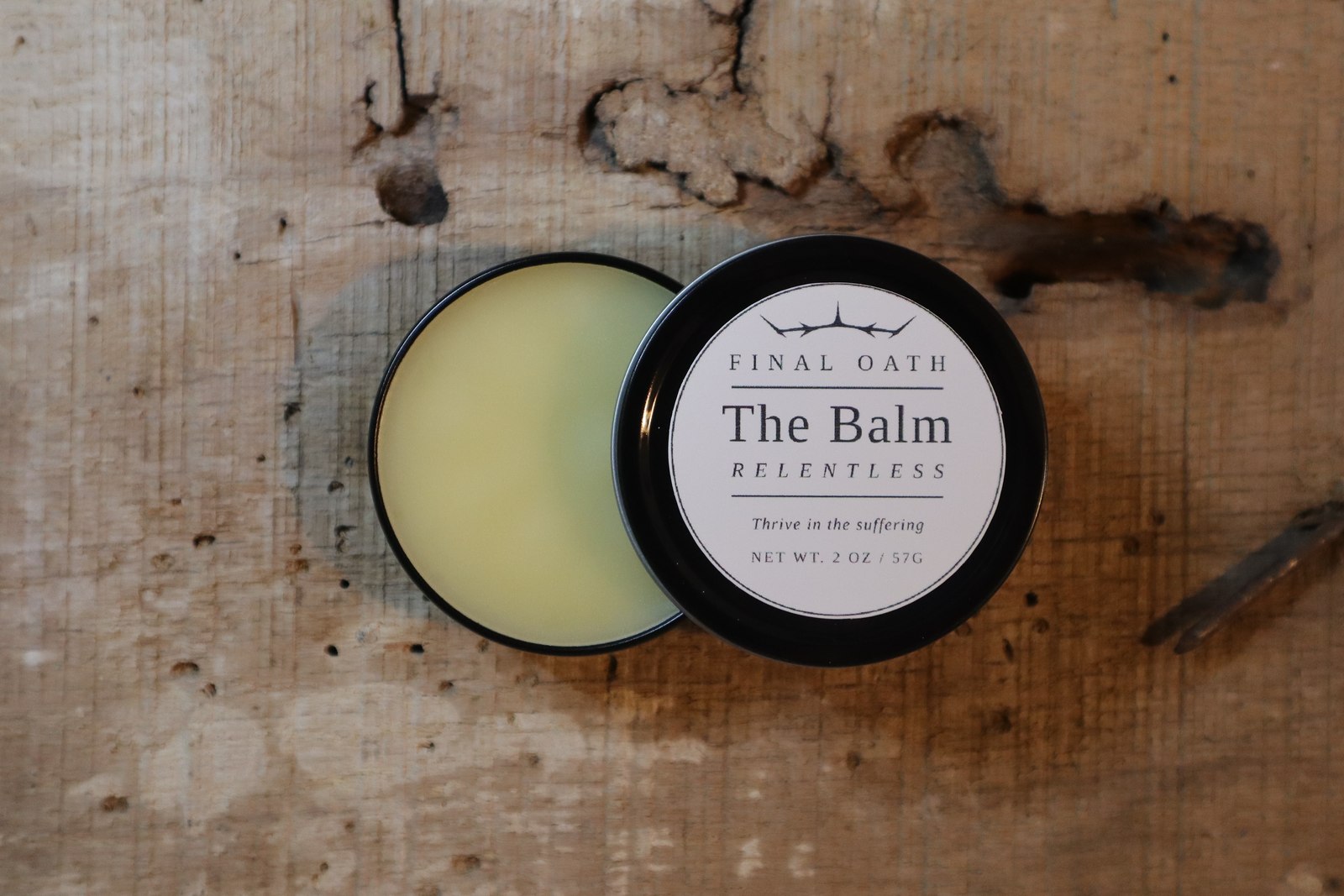
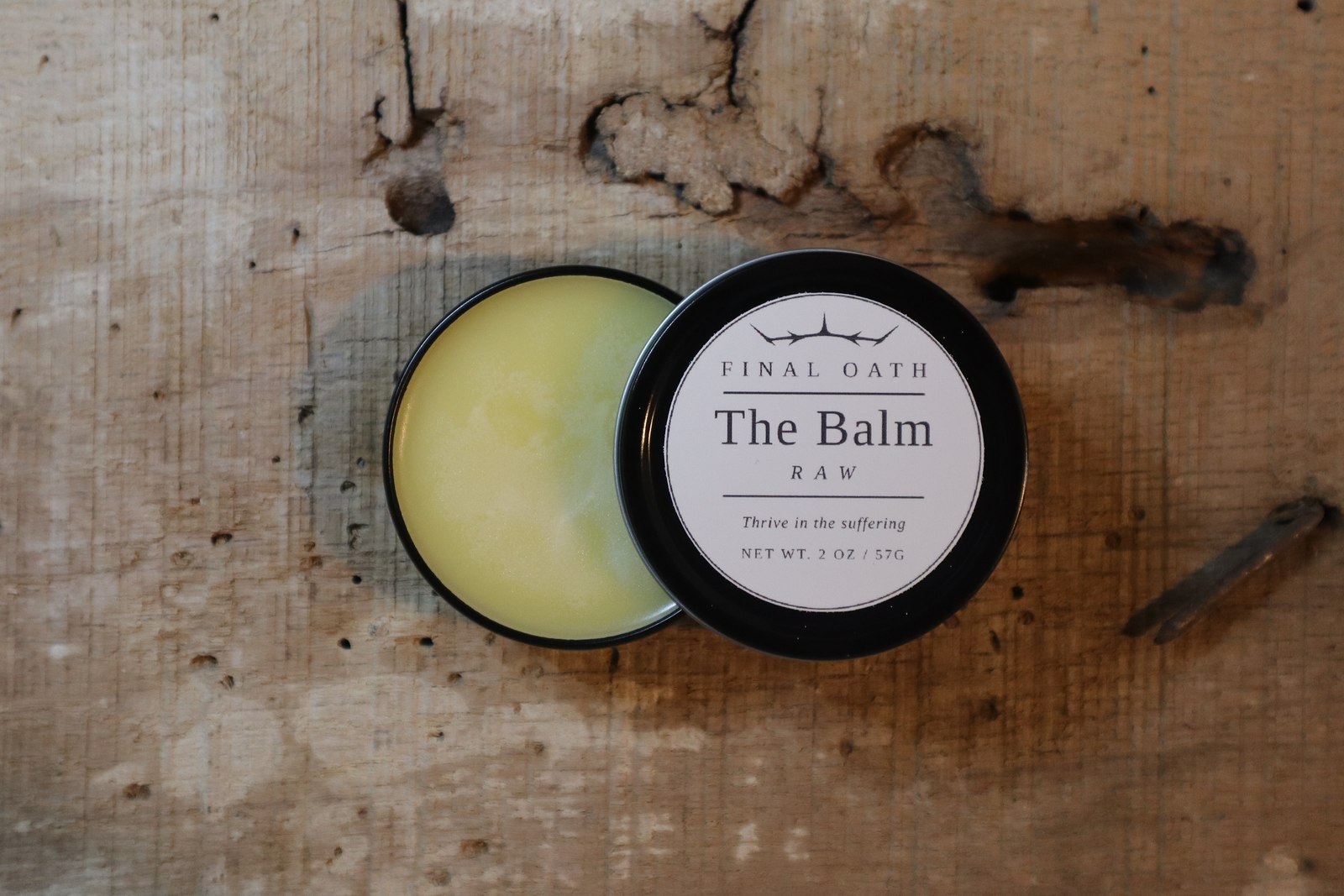
Beard itch is almost always a skin problem wearing a hair costume. The skin under your beard is dry, and it is dry because every hair on your face is pulling oil away from it. Fix the skin and the itch goes with it.
Why a beard itches
Every hair on your face acts as a wick. It draws your natural oil (sebum) up and away from the skin at its root. One week of growth is a hundred thousand tiny wicks all pulling at once, and your skin was only ever producing enough oil to cover bare face.
So the skin underneath ends up drier than anywhere else on your body. Dry skin tightens, flakes, and itches. Add a hot shower, which strips what oil is left, and winter air, which holds almost no moisture, and you get the wool-sweater feeling that makes people shave in week three.
The three kinds of beard itch
- New growth itch. Weeks one through four. Blunt-cut hair ends push against skin as they grow out. Worst at the neckline. This one passes on its own, but dry skin makes it much worse than it needs to be.
- Dry skin itch. Any beard length, worse in winter. Flaking, tightness, sometimes what looks like dandruff in the beard. This is the common one and it is the one a balm actually solves.
- Something else. If you have spreading redness, weeping, crusting, painful bumps, or a rash with a defined border, that is not a dryness problem and a balm is not the answer. See somebody about it.
Why balm beats oil for itch specifically
Beard oil is good at what it does. It coats hair, adds shine, and softens. But oil is thin, so it spreads along the hair shaft and most of it never reaches the skin underneath.
Itch lives on the skin. A balm is thicker, so it goes where you put it. You work it in at the roots and the tallow and shea stay on the skin instead of wicking off into the beard, and the beeswax holds them there through the day. The light hold you get on the beard is a side effect, not the point.
If you want the longer comparison, I wrote one: beard balm vs. beard oil.
Why tallow works on skin under a beard
Beef tallow is structurally close to what your own skin already produces. It is mostly the same fatty acids, in roughly the same proportions, which is why it absorbs rather than sitting on top in a film. That matters more under a beard than anywhere else, because you cannot rub a heavy lotion into skin you cannot reach. Something that soaks in is the only thing that gets there at all.
How to actually use it
- Start with a fingertip of balm, less than you think. Warm it between your palms until it turns to oil.
- Work it in against the grain first, fingertips on skin, all the way down to the roots. This is the step people skip, and it is the only step that touches the itch.
- Then style with the grain to spread what is left through the beard.
- Do not forget the neckline. It itches first and gets ignored most.
- Best right after a shower, while the skin is clean and the pores are warm.
- Daily for the first two weeks of a new beard, which is peak itch season. After that, most people settle into once a day or every other day.
Three things that make itch worse
- Hot showers. Hot water strips oil faster than anything else you do to your face. Warm, not hot, and keep it short.
- Regular shampoo in your beard. Scalp shampoo is built to cut oil. That is the opposite of what beard skin needs.
- Waiting for it to pass. New growth itch does pass. Dry skin itch does not, it just gets normalized until you stop noticing you are scratching.
Unscented, if fragrance is the problem
Some people react to fragrance, and if your face itches in a way that started when you began using a scented product, that is worth ruling out. Raw is the same seven-ingredient base with no fragrance at all. Nothing added, nothing to react to.
What I make
Nine scents plus the unscented one, all the same tallow base. Made by hand in small batches in Wakarusa, Indiana. Seven ingredients, and 5% of every sale goes to FreedomSystem, which connects veterans through authentic camaraderie and meaningful programs.