Those white flakes in your beard are usually not dandruff in the scalp sense. They are dry skin shedding, and the cause is the same reason your beard itches: the hair is wicking oil off the skin faster than the skin can replace it.
What it looks like, and what that tells you
Two different things get called beard dandruff, and they do not want the same response.
- Dry flaking. Small white or grey flakes, papery, that come loose when you scratch or brush. The skin underneath feels tight. Worse in winter, worse after a hot shower, worse a few days after you wash. This is the common one and it is the one this page is about.
- Greasy scale. Larger yellowish flakes that feel slightly waxy and stick rather than fall, often with redness underneath that has a clear border. That is a different thing with a different cause, and no balm is the answer to it.
If you are not sure which you have, look at where else it turns up. Dry beard flaking stays in the beard. The other kind usually shows up in the eyebrows, beside the nose or in the scalp at the same time.
Why it happens under a beard specifically
The skin under a beard is one of the driest patches on your body, and the beard is the reason. Every hair draws oil up along its own shaft and away from the root that produced it. A full beard is thousands of small wicks pulling oil off the skin all day.
On the rest of your face that oil stays where it lands. Under a beard it ends up distributed along the hair, which is why the beard itself can look and feel fine while the skin beneath it is parched. Dry skin sheds in visible plates, and a beard catches every one of them instead of letting them fall on your shirt unnoticed.
Then everything else makes it worse. Hot water strips oil faster than anything else you do to your face. Cold dry air outside and forced heat inside pull moisture out of the skin all winter. Washing daily never lets the skin catch up.
Why anti-dandruff shampoo usually backfires
Scalp dandruff is often tied to a yeast that feeds on oily skin, so scalp products are built to strip oil away. Your beard skin has the opposite problem. Using a scalp product on it removes the little oil that made it down there in the first place, and the flaking comes back worse a day later.
Same logic for anything with a strong detergent or a lot of alcohol. If it squeaks, it took too much.
Balm, oil, cream or lotion
This is the question people ask most, so here is the plain version.
- Beard oil mostly conditions hair. It spreads beautifully along the shaft, which is exactly why a lot of it never reaches the skin. Good for softness and shine, thin on its own for skin that is flaking.
- Lotion and most face creams are largely water held together with emulsifiers. The water evaporates. On skin buried under hair they are also awkward to work in, and a lot of it ends up on the beard rather than the face.
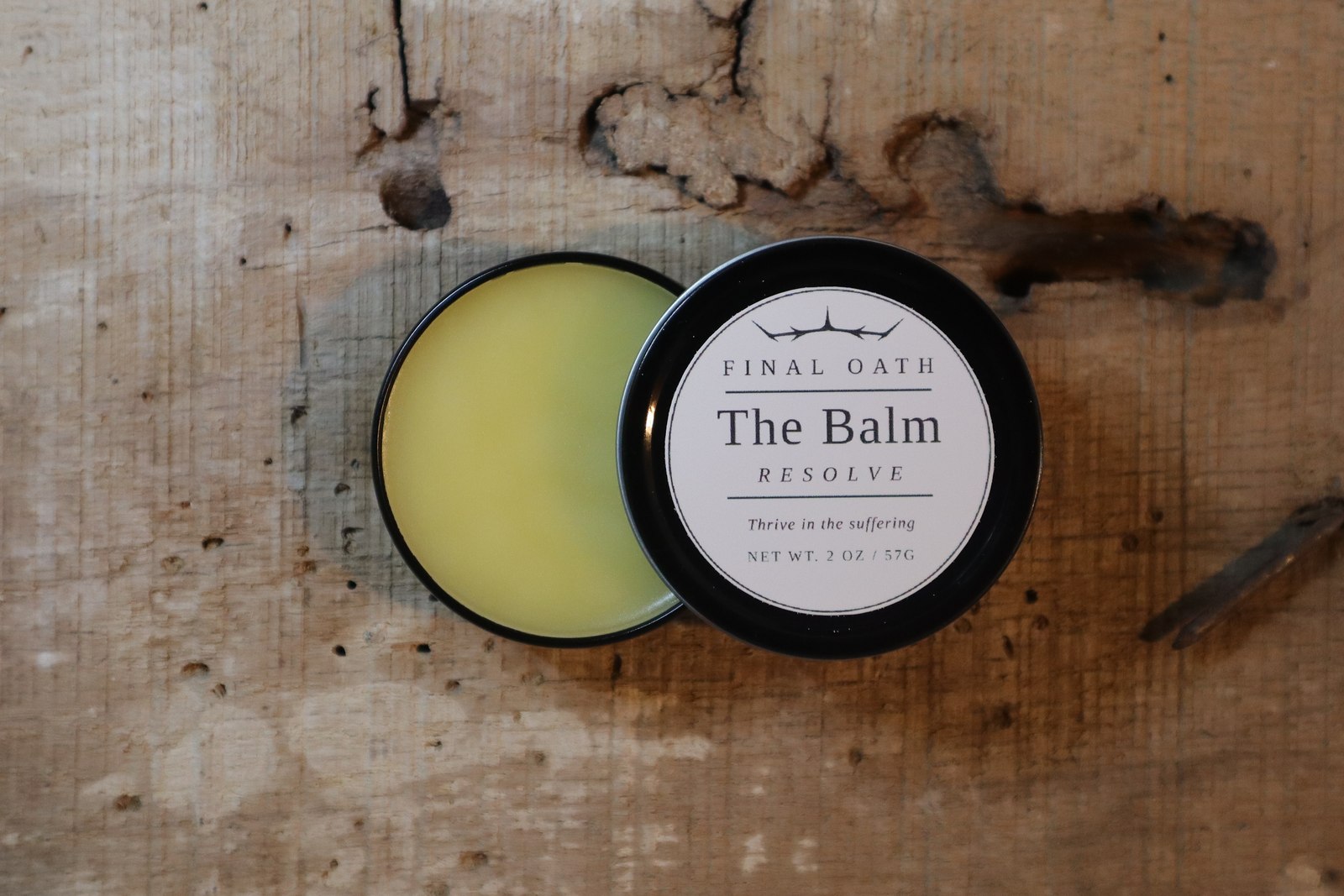
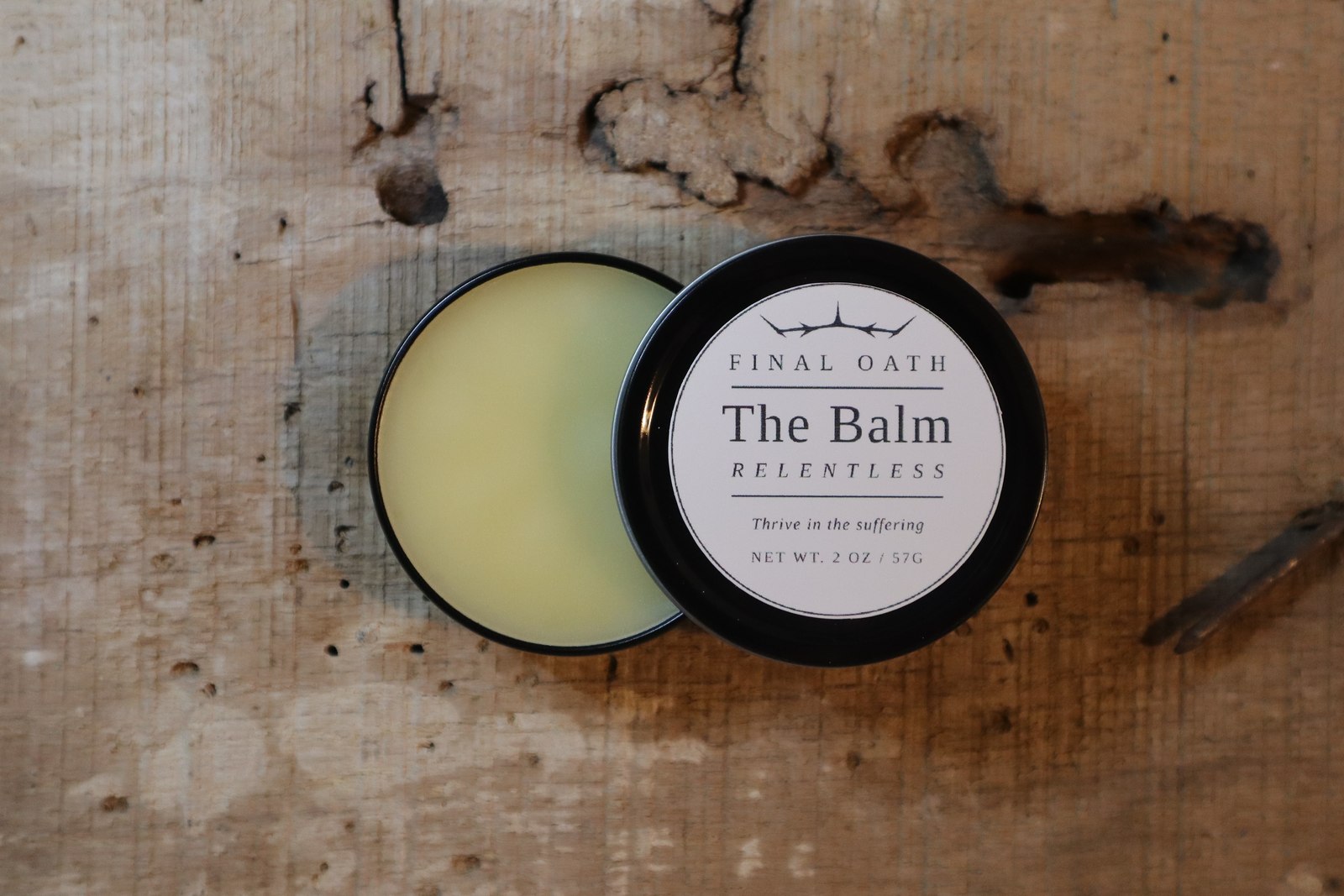
- Balm has no water in it. It is fat and wax, solid in the tin, liquid the moment it is warm. That means you can melt it in your palms and push it through the hair to the skin, which is the only part that is actually flaking.
If you are searching for a moisturiser for an itchy beard, that is the distinction that matters: not how good it is on hair, but whether it reaches skin.
What actually helps
- Get something absorbent down to the skin. Not over the beard, into it. Warm a fingertip of balm in your palms until it turns to oil, then work it in against the grain with your fingertips on skin.
- Stop stripping it. Wash the beard two or three times a week, not daily, and use a beard wash or a gentle bar rather than scalp shampoo.
- Turn the shower down. Warm, not hot, and keep your face out of the stream at the end.
- Brush it out. A boar bristle brush lifts loose flakes off the skin and carries balm down through the beard at the same time. Brushing dry flakes out before you apply anything makes a visible difference on its own.
- Do it at night as well. Skin does most of its repair while you sleep, and nothing is stripping it for eight hours.
- Give it two weeks. Skin that took a month to dry out does not come back in one application. Most people see the flaking drop off well before the tightness does.
Moustaches, goatees and stubble
Same skin, same cause, same answer. A moustache sits over skin that is awkward to reach and rarely gets anything worked into it, which is why moustache flaking is common in people whose beards are fine. Work the balm in with a fingertip, upward from the lip.
Stubble can be the worst of the lot. Short hairs are stiff, they scratch the skin as they grow, and there is not enough length to hold anything you put on. That combination is why the itch often peaks somewhere in the first month rather than later.
If your beard is new
Flaking and itching in the first three or four weeks is mostly a different problem wearing the same clothes. Freshly cut hairs have sharp ends, they grow back into skin that is not used to them, and the skin reacts. It settles as the hair gets long enough to stop standing up into its own follicle.
The routine above still helps, and it helps sooner if you start before the flaking turns up rather than after. More on that in the first month of a new beard.
Why tallow suits this specifically
Beef tallow is built from largely the same fatty acids your skin produces on its own, so it absorbs into skin rather than sitting on hair. Under a beard, where you cannot properly rub anything in, something that soaks in is the only thing that reaches the flaking in the first place.
There is also no water in it, which means no preservative system, no emulsifier, and nothing that evaporates and leaves the skin drier than it started. Seven ingredients, and the whole label fits on the back of the tin.
When it is not dry skin
Greasy yellow scale rather than dry white flakes, or redness with a defined border, or flaking that spreads past the beard onto the scalp and eyebrows, is a different thing and a balm is not the answer to it. The same goes for anything painful, weeping, spreading quickly, or not shifting at all after a few weeks of doing the sensible things. Go see somebody about that. We make balm, not medicine.
Related
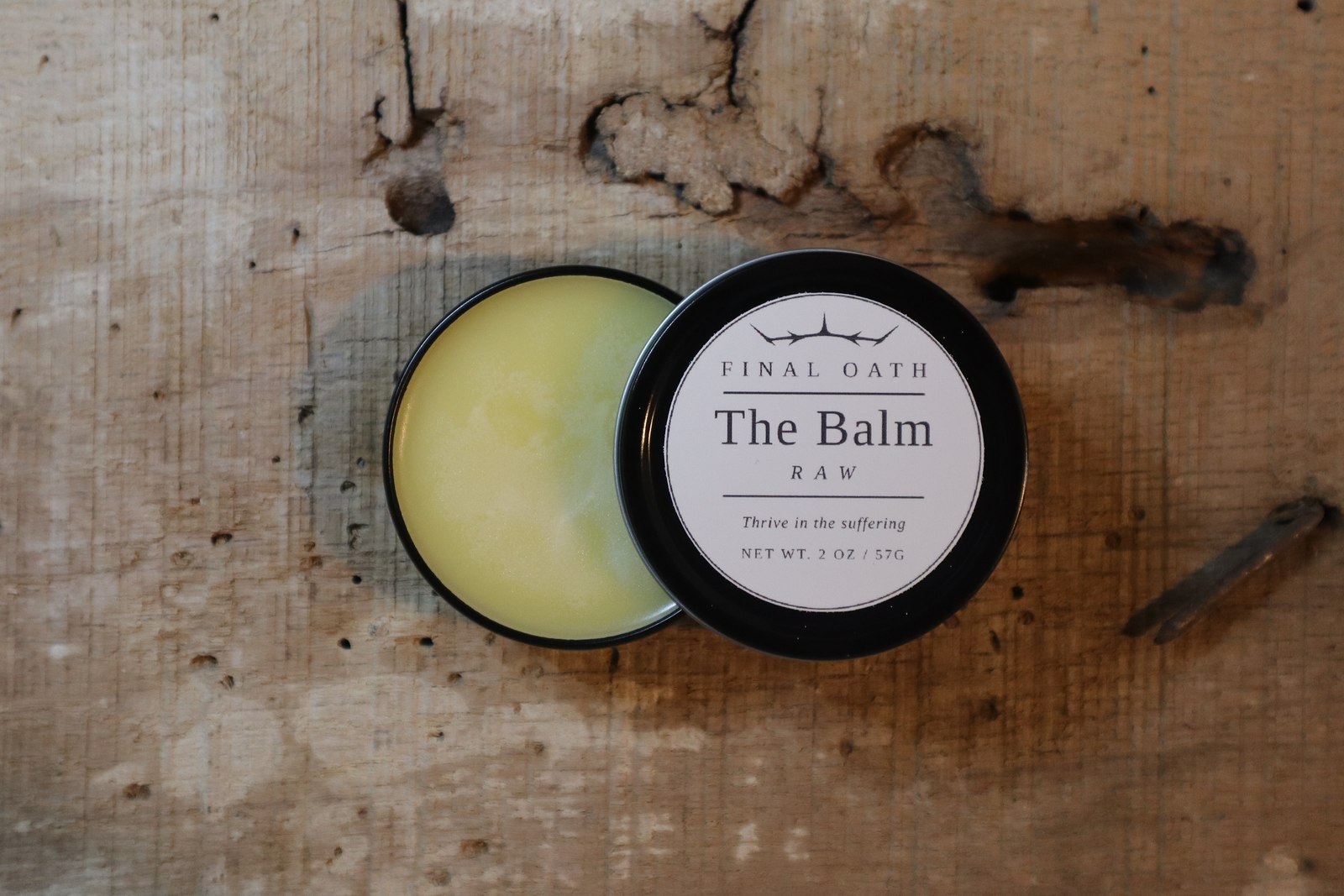
Why beards itch, how to apply balm properly, and balm compared with butter. If fragrance is a suspect, Raw has none at all.
Made by hand in small batches in Wakarusa, Indiana. Seven ingredients, and 5% of every sale goes to FreedomSystem, which connects veterans through authentic camaraderie and meaningful programs.