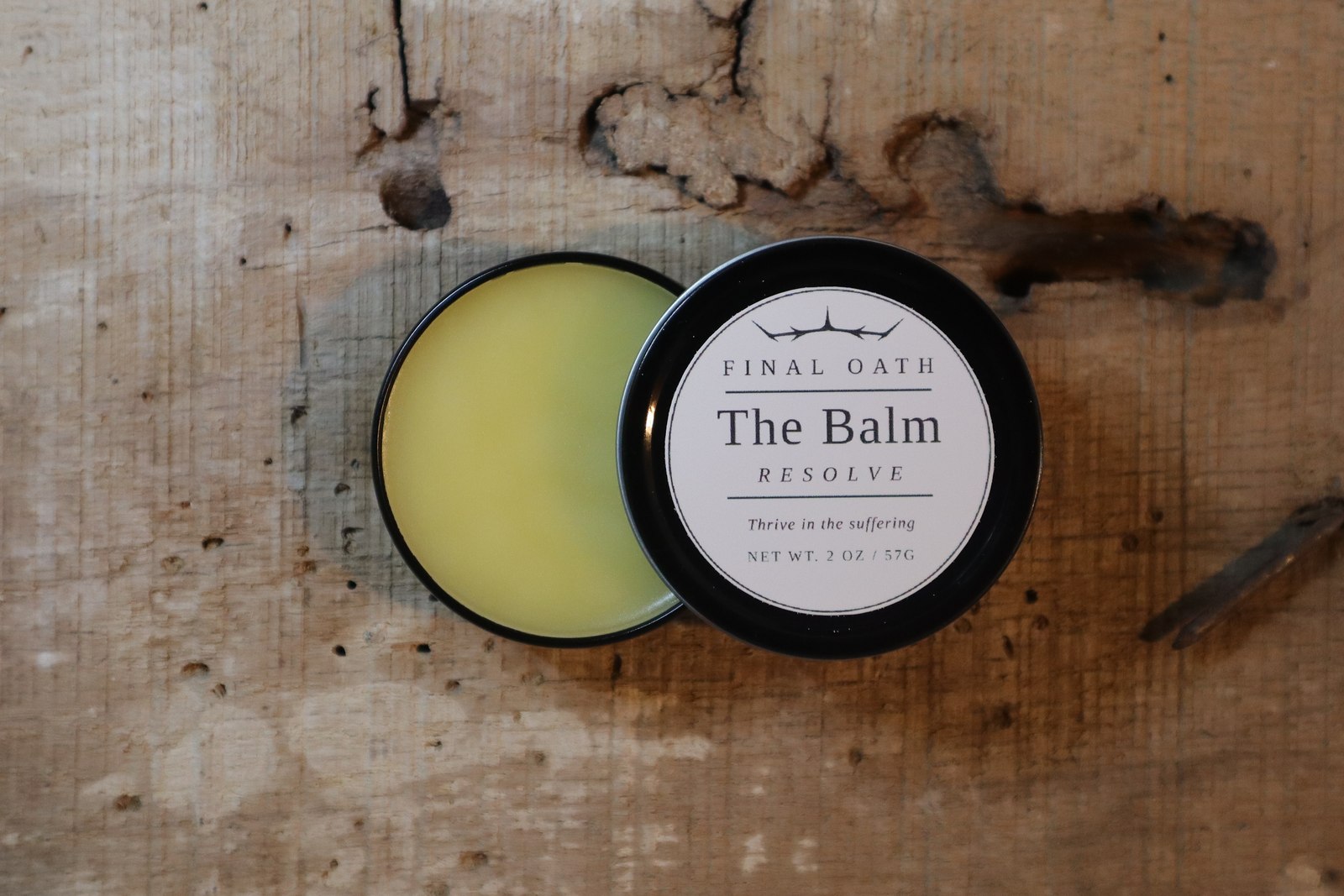
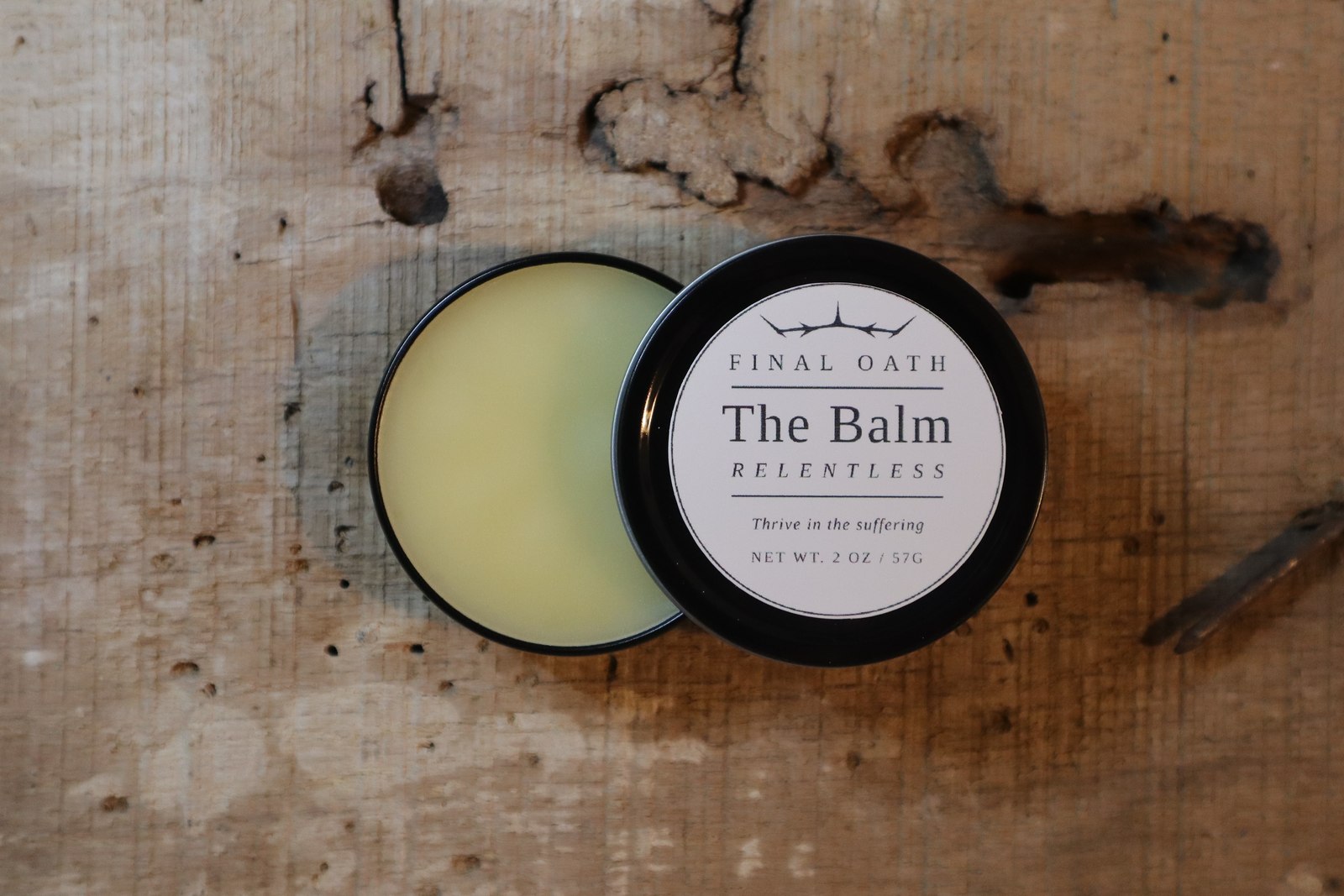
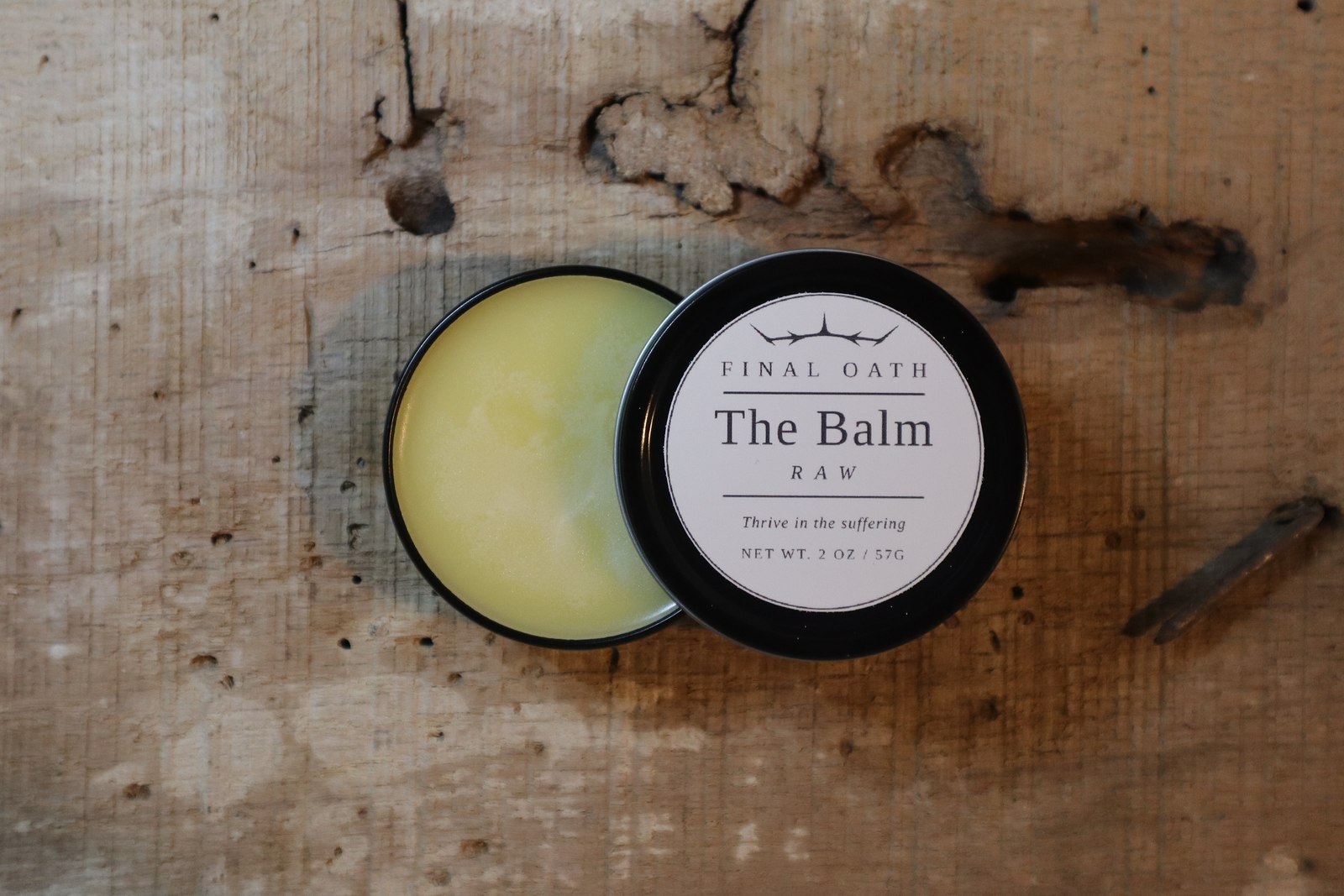
For dry skin, generally yes, and the reason is unglamorous: beef tallow is built from mostly the same fatty acids your own skin produces, so it behaves like something your face recognizes rather than something it has to deal with.
The reason it works
Skin makes sebum to keep itself pliable and to slow water leaving. Sebum is largely a blend of fatty acids. Rendered beef fat is also largely a blend of fatty acids, and the overlap with human sebum is unusually close compared to most plant oils and nearly all petroleum-derived products.
The practical result is absorption. It sinks in instead of sitting on the surface as a film, which is why it does not feel like it needs to be washed off and why it keeps working under a beard where you cannot properly rub anything in.
Who it suits
- Dry, tight, flaky skin, especially in winter
- Skin under a beard, which is the driest skin most people have
- Wind and cold exposure, and going in and out of dry indoor heat
- Anyone who wants a short ingredient list
- Tree nut allergies, since there is no shea or almond in the unscented version
Who should be careful
- Very oily skin. You may simply not need it on your face. Hands and heels, yes.
- Acne prone. Test on a small area for two weeks before committing. See does tallow clog pores.
- Vegan or vegetarian. This is rendered beef fat. There is no way around that and I am not going to dress it up.
- Beef allergy. Rare, but real. Not for you.
How to use it on your face
Less than you think. A pea-sized amount for a full face. Warm it between your fingers until it turns to oil, then press and smooth it into slightly damp skin after washing. Damp skin gives it water to hold onto.
Once at night is enough for most people. Twice in deep winter. If your face looks shiny ten minutes later, use half as much tomorrow.
What I will not claim
I am not going to tell you tallow treats a skin condition, reverses anything, or replaces medical care. It is fat, and it is good at doing what fat does: softening dry skin and slowing moisture loss. If you have a rash with a defined border, spreading redness, weeping skin, or anything painful, that is a doctor's question and not a balm's.
About the source
Mine comes from a family farm in northern Indiana. Pasture raised and grain finished, which means it is not grass fed and I do not call it that. Properly rendered and filtered, so it does not smell like beef.
Made by hand in small batches in Wakarusa, Indiana. Seven ingredients, and 5% of every sale goes to FreedomSystem, which connects veterans through authentic camaraderie and meaningful programs.