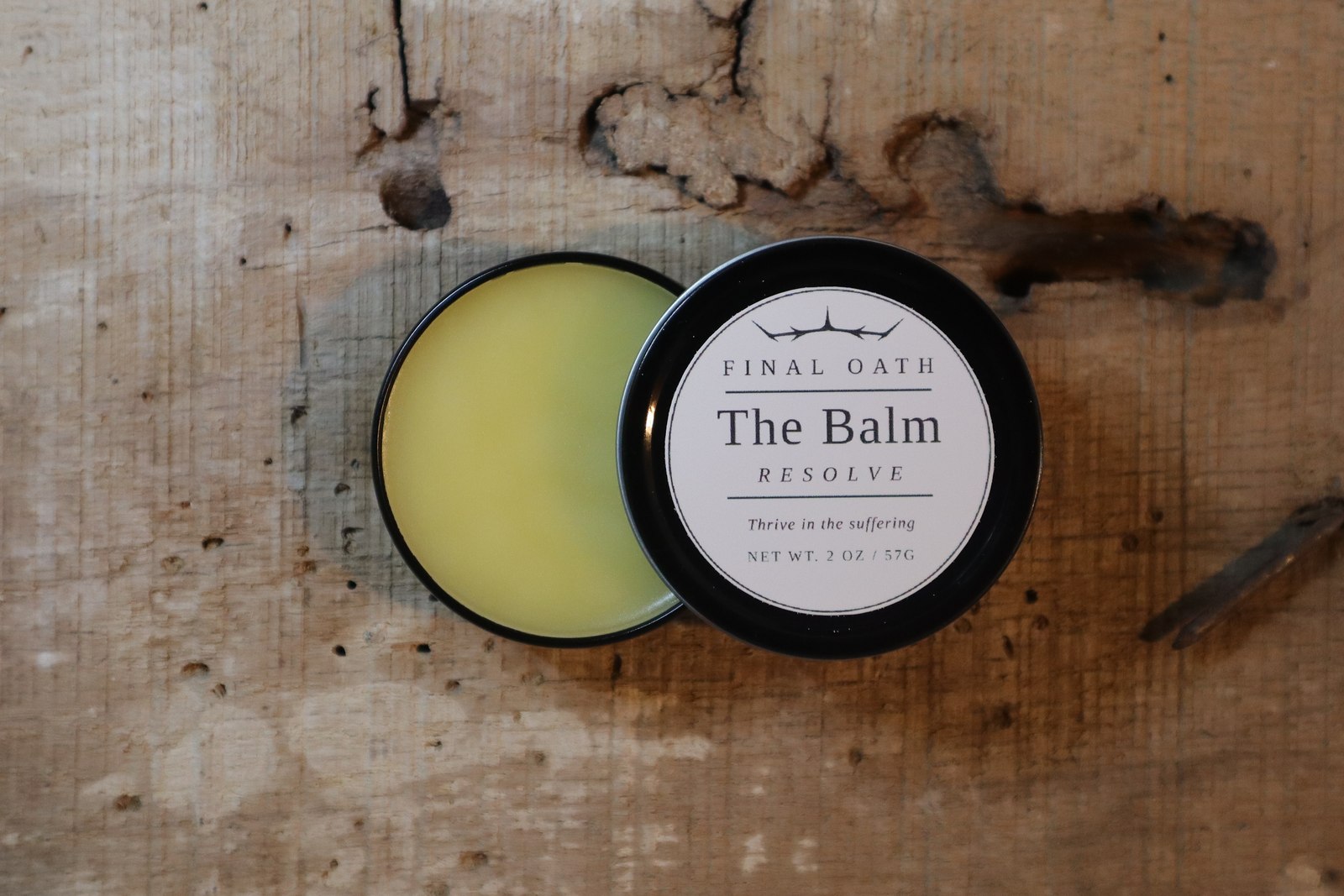
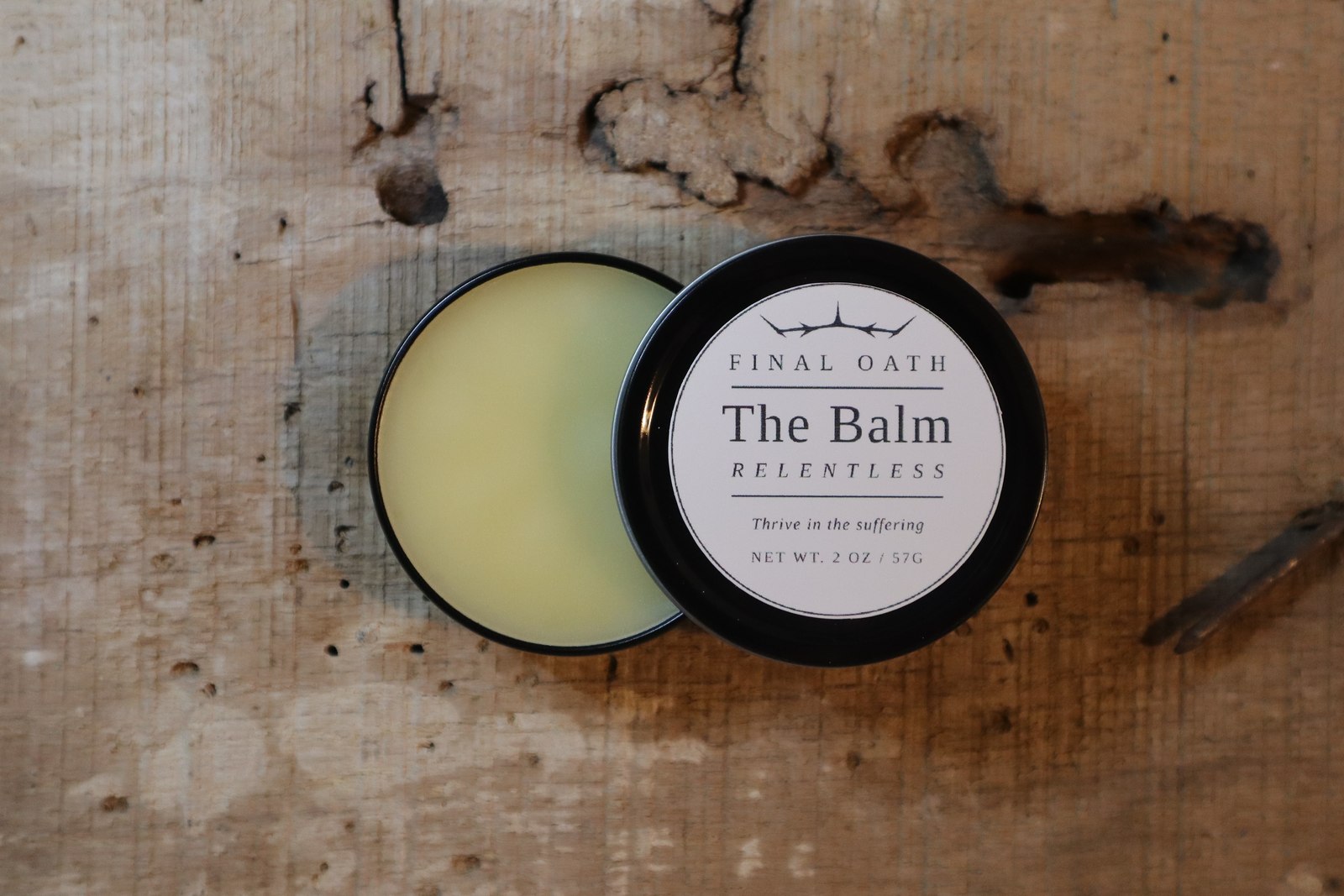
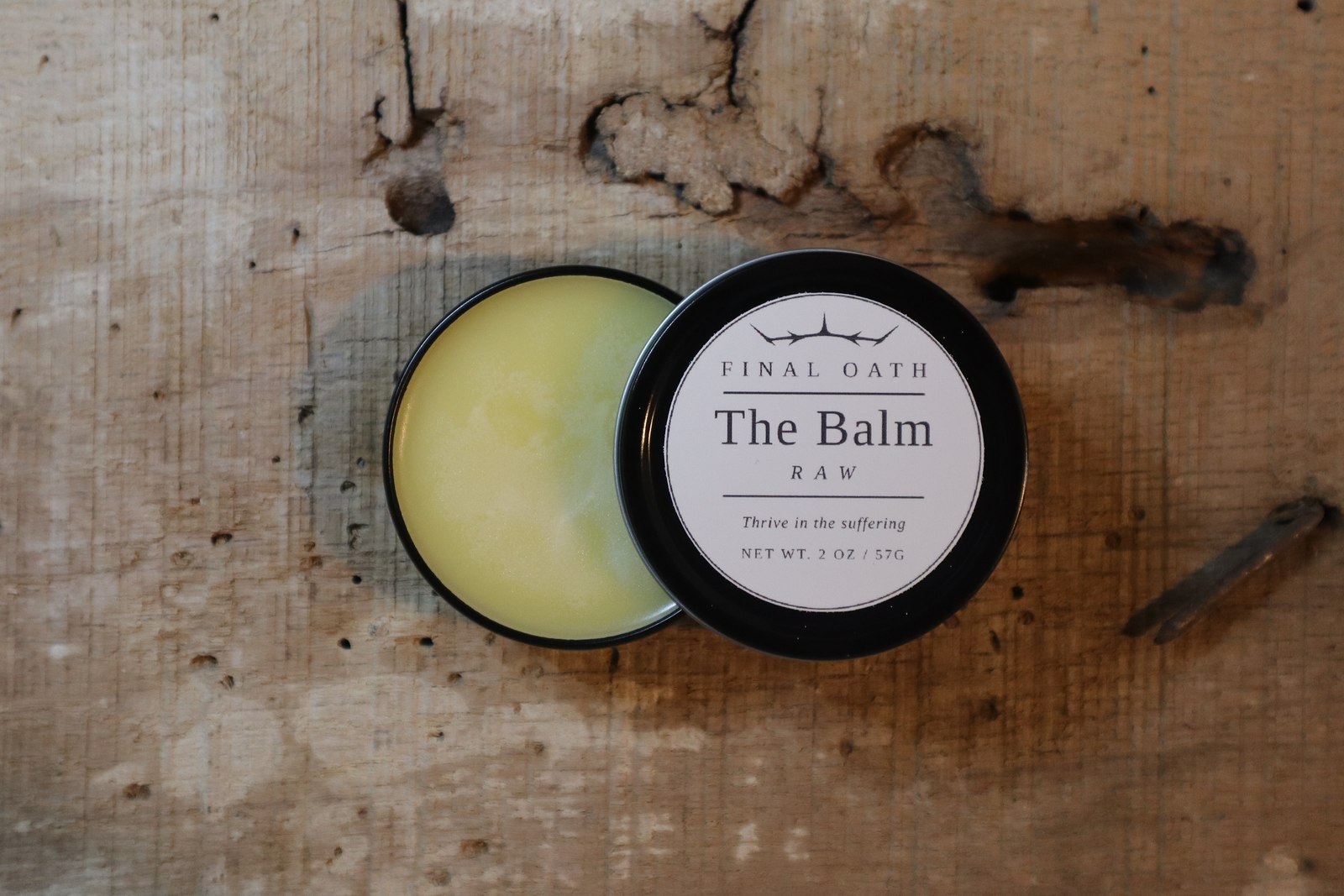
Suet is the raw fat. Tallow is what you get after you render it. Beef fat is the loose term covering both plus everything else. The distinction matters if you are buying, and not much if you are just using a finished balm.
The three words
Suet is the hard, dense fat from around the kidneys and loins. Raw, and it will spoil like any raw animal product.
Tallow is rendered fat: melted slowly, the meat and connective tissue separated out, then filtered. That process is what makes it shelf stable and what makes it odourless. Suet becomes tallow; tallow is never called suet.
Beef fat means whatever the person saying it wants. Trimmings from a steak are beef fat and so is suet, but they render differently and the results are not interchangeable.
Why suet specifically, for skin
Kidney fat is the hardest and cleanest of the fats on the animal, with the least connective tissue running through it, so it renders to a whiter, more neutral, firmer tallow. Trim fat from muscle renders softer and carries more of a smell, because there is more non-fat material to leave behind.
That is why a maker who cares asks for suet rather than trimmings, and why two tallow balms can behave quite differently.
Rendering is where products go wrong
Two things ruin tallow, and both are process rather than the fat itself. Leaving meat and connective tissue in means protein, and protein is what smells, immediately and worse as it ages. Overheating browns the fat, which is wonderful in a skillet and permanent in a balm.
Low and slow, then filtered properly, gets you a clean neutral fat. That is why mine does not smell like beef, and why the ones that do have given tallow its reputation. More on that: does it smell like beef.
Two other words you will see
Lard is pork fat, not beef, and it is softer. Dripping is British for rendered beef fat kept for cooking, essentially tallow.
What is in mine
Rendered, filtered beef tallow from a family farm in northern Indiana. Pasture raised and grain finished, so not grass fed and I do not call it that. Full sourcing here.
Made by hand in small batches in Wakarusa, Indiana. Seven ingredients, and 5% of every sale goes to FreedomSystem, which connects veterans through authentic camaraderie and meaningful programs.